Choosing Mickxes: A Practical Guide to Bold, Geometric Typography for Modern Design
In the crowded landscape of digital design, typography serves as the primary vehicle for communication. While serif fonts often convey tradition and sans-serifs offer neutrality, there is a distinct category of typefaces designed specifically to command attention. Mickxes occupies this space as a bold, modern font characterized by its blocky style and geometric precision. For designers, marketers, and content creators aged 20 to 50 who are evaluating tools for high-impact visual projects, understanding the specific utility of Mickxes is essential. It is not merely a stylistic choice but a functional decision that affects readability, brand perception, and user engagement.
Defining the Aesthetic: What Makes Mickxes Distinct
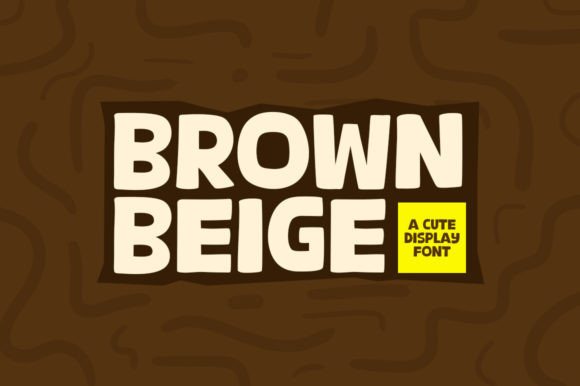
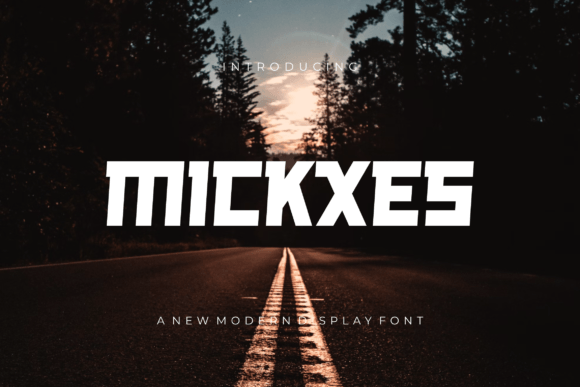
At its core, Mickxes is defined by its structural integrity. Unlike fluid or handwritten scripts that rely on organic variation, this typeface features clean, straight lines and a strong, geometric look. The letters are constructed with a uniform weight that creates a solid visual presence. This blocky style is not accidental; it is engineered to maximize legibility at large sizes while maintaining a contemporary edge.
The distinctiveness of Mickxes lies in its balance between rigidity and modernity. Many geometric fonts can feel cold or overly mechanical, but Mickxes incorporates subtle adjustments in spacing and proportion that keep the text feeling approachable despite its heavy weight. This makes it particularly effective for eye-catching headlines and displays where the goal is immediate recognition. When you place Mickxes on a canvas, it does not whisper; it declares. This characteristic makes it a powerful tool for brands looking to establish authority or for campaigns that need to cut through visual noise.
Evaluating Use Cases: Where Mickxes Excels
Understanding when to deploy Mickxes requires a clear assessment of your project’s goals. Because of its bold nature, this font is not a universal solution. It thrives in specific contexts where impact outweighs the need for extended reading comfort.
- Digital Headlines and Hero Sections: On websites and landing pages, the first three seconds are critical. Mickxes provides the visual weight necessary to anchor a hero section, ensuring that the main value proposition is impossible to miss.
- Poster and Print Advertising: In physical media, distance matters. The blocky structure of Mickxes ensures that messages remain legible from afar, making it ideal for event posters, billboards, and retail signage.
- Social Media Graphics: Platforms like Instagram and LinkedIn favor bold, scroll-stopping visuals. Using Mickxes for quote cards or announcement graphics can increase engagement by providing a clear, professional aesthetic that stands out in a feed cluttered with softer, more generic typefaces.
- Packaging Design: For products that want to convey strength, durability, or modernity, Mickxes offers a typographic voice that aligns with those values. It works exceptionally well for tech accessories, fitness brands, or minimalist consumer goods.
Comparative Analysis: Mickxes vs. Traditional Alternatives
When researching typography options, it is helpful to compare Mickxes against other common categories to understand its tradeoffs. Most designers choose between classic sans-serifs, decorative display fonts, and geometric blocks. Here is how Mickxes stacks up against these alternatives.
Mickxes vs. Neutral Sans-Serifs
Neutral sans-serifs, such as Helvetica or Arial, are the workhorses of design. They are versatile and invisible, allowing content to take center stage. However, they can sometimes lack personality. Mickxes is the opposite; it has a strong point of view. If your goal is to create a brand identity that feels unique and assertive, a neutral sans-serif may fall flat. Conversely, if you are designing a long-form article or a legal document, the neutrality of a standard sans-serif is preferable. Mickxes is too dominant for body text, whereas neutral sans-serifs excel there.
Mickxes vs. Decorative Display Fonts
Decorative fonts often feature intricate details, swashes, or irregular shapes. While these can be charming, they frequently suffer from poor legibility, especially at smaller sizes or on low-resolution screens. Mickxes avoids this pitfall by sticking to clean, straight lines. Its geometric look ensures that even when scaled down slightly, the letters remain distinct. For professionals who need a display font that is bold but still highly readable, Mickxes offers a safer, more reliable alternative to overly ornate options.
Mickxes vs. Other Geometric Fonts
Not all geometric fonts are created equal. Some lean heavily into circular forms, creating a friendly but soft appearance. Others are sharp and angular, which can feel aggressive. Mickxes strikes a middle ground with its blocky style. It is sturdy without being hostile. When comparing it to other geometric options, consider the emotional tone you wish to convey. If you need something playful, a rounded geometric font might be better. If you need something industrial, a sharper font may fit. Mickxes is best suited for modern, confident, and straightforward communication.
Limitations and Tradeoffs to Consider
No tool is perfect, and honest evaluation requires acknowledging the limitations of Mickxes. Its greatest strength—its boldness—is also its primary constraint. Using this font for body copy, paragraphs, or dense information blocks is generally inadvisable. The heavy weight and blocky structure can cause visual fatigue if read for extended periods. Readers may find themselves struggling to track lines of text, leading to higher bounce rates on websites or disengagement in print materials.
Additionally, the modern aesthetic of Mickxes may not align with every brand identity. Industries that rely on heritage, warmth, or organic qualities—such as artisanal food brands, childcare services, or historical societies—might find the geometric rigidity of Mickxes too cold or corporate. In these cases, a serif font or a softer sans-serif would likely resonate better with the target audience.
Another practical consideration is pairing. Because Mickxes is so distinctive, it requires careful selection of complementary typefaces. Pairing it with another bold or complex font can create visual chaos. Instead, it works best when contrasted with a light, simple sans-serif or a clean serif for body text. This hierarchy ensures that Mickxes retains its impact as a headline font without overwhelming the overall design.
Decision Factors: Is Mickxes Right for Your Project?
To determine whether Mickxes is the appropriate choice for your next project, consider the following decision factors. These questions can help you evaluate fit and avoid common pitfalls.
- What is the primary function of the text? If the text needs to be read quickly and remembered, such as a slogan or title, Mickxes is an excellent candidate. If the text requires deep reading and comprehension, look elsewhere.
- Who is your audience? Adults aged 20–50 generally appreciate modern, clean aesthetics. Mickxes appeals to this demographic by feeling current and professional. However, ensure the tone matches their expectations. A tech startup will embrace it; a traditional law firm might not.
- What is the medium? Digital screens, especially high-resolution displays, render the clean lines of Mickxes beautifully. Print materials also benefit from its clarity. However, avoid using it in environments with poor lighting or low-quality printing, where the blocky details might blur.
- Do you have a strong visual hierarchy? Mickxes demands space. Ensure your layout allows for ample white space around the text. Crowding this font diminishes its effectiveness and can make the design feel cluttered.
Integrating Mickxes into a Cohesive Design Strategy
Successfully using Mickxes involves more than just selecting it from a dropdown menu. It requires a strategic approach to integration. Start by defining the role of the font within your brand guidelines. Specify exactly where it should be used—perhaps only for H1 and H2 headers—and where it should be avoided. This consistency helps build brand recognition over time.
Experiment with color and contrast. Because Mickxes has a strong geometric look, it pairs well with high-contrast color schemes. Black text on a white background is classic, but bold colors like electric blue or vibrant orange can enhance its modern appeal. Just ensure that the contrast ratio meets accessibility standards, particularly for digital applications.
Finally, test your designs with real users. Gather feedback on readability and emotional response. Does the font convey the intended message of strength and modernity? Or does it feel too aggressive? User testing can provide valuable insights that theoretical analysis cannot. By combining practical evaluation with user feedback, you can make an informed decision about whether Mickxes is the right typographic foundation for your project.
In conclusion, Mickxes is a specialized tool designed for specific outcomes. It offers a bold, modern aesthetic that can elevate headlines and displays, providing a clean and professional look that resonates with contemporary audiences. By understanding its strengths, respecting its limitations, and comparing it thoughtfully against alternatives, you can leverage Mickxes to create impactful, memorable designs that communicate with clarity and confidence.