Roeshio: Mastering the Art of Bold Graffiti Typography in Modern Design
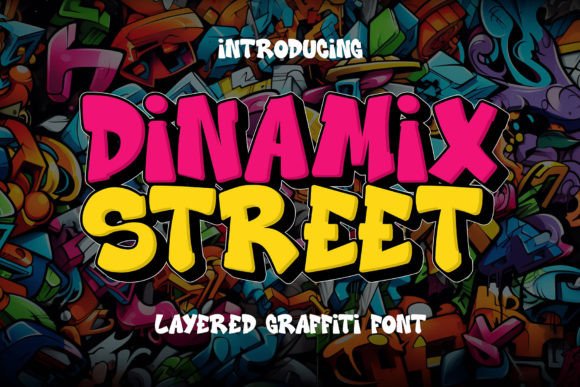
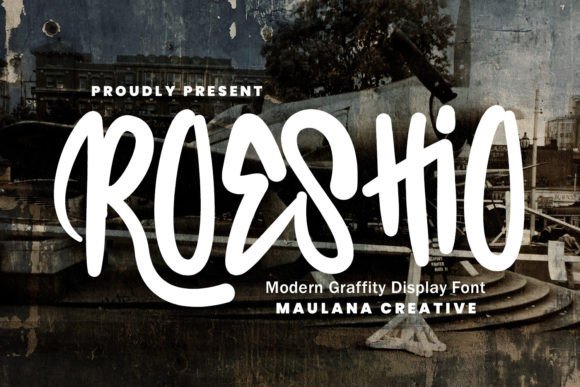
When you first encounter Roeshio, the immediate impression is one of unapologetic energy. It is not a font that whispers; it shouts with the vibrant, chaotic charm of street art. For designers, marketers, and content creators looking to inject personality into their projects, this bold display typeface offers a unique bridge between urban culture and digital polish. However, the very qualities that make Roeshio so striking—its thick strokes, artistic irregularities, and edgy aesthetic—can also lead to significant design pitfalls if not handled with care. Many beginners and even seasoned professionals stumble when integrating such a dominant visual element, often resulting in layouts that feel cluttered rather than cool.
Understanding how to wield Roeshio effectively requires more than just downloading the file and typing away. It demands a shift in mindset from standard body text usage to treating typography as a primary graphic element. This guide explores common missteps in using graffiti-style fonts and provides practical strategies to ensure your designs remain readable, professional, and visually compelling.
The Trap of Overuse and Poor Hierarchy
The most frequent mistake designers make with display fonts like Roeshio is attempting to use them for too much text. Because the font is inherently decorative and heavy, it consumes a significant amount of visual space. When used for paragraphs, subheadings, or even long titles, it creates a "wall of noise" that exhausts the viewer. The eye struggles to find a resting place, and the message gets lost in the stylistic flourishes.
Why this matters: Readability is paramount. If your audience cannot quickly decipher your headline, they will scroll past. A graffiti font is meant to capture attention instantly, not to sustain it over long periods.
The Better Approach: Reserve Roeshio strictly for short, impactful headlines, logos, or single-word accents. Pair it with a clean, neutral sans-serif or serif font for all supporting text. This contrast allows the boldness of Roeshio to shine without overwhelming the composition. Think of it as the spotlight on a stage; everything else should remain in the shadows to support the main act.
Ignoring Context and Brand Alignment
Another common oversight is applying Roeshio to contexts where its rebellious, street-art vibe clashes with the intended message. While it is perfect for music festivals, skate brands, urban fashion lines, or creative portfolios, it may send the wrong signal for corporate finance reports, medical websites, or luxury real estate listings. Using a font that screams "fun and edgy" in a setting that requires "trust and stability" creates cognitive dissonance for the viewer.
Practical Advice: Before committing to Roeshio, ask yourself if the emotion of the font matches the emotion of the brand. If you are designing for a youth-oriented product or an artistic event, Roeshio is likely an excellent choice. For more conservative industries, consider using it only in very limited, abstract ways, or choose a different typeface entirely. Always align your typographic choices with your overall brand voice.
Neglecting Spacing and Kerning Adjustments
Graffiti fonts often feature overlapping letters, extended tails, and irregular shapes. When you type out a word in Roeshio, the default spacing may cause letters to collide awkwardly or create uneven gaps that disrupt the visual flow. Many users accept the default settings, assuming the font designer has accounted for every possible combination. In reality, display fonts almost always require manual tweaking to look professional.
How to fix it: Pay close attention to kerning—the space between individual characters. In design software, adjust the tracking and kerning manually to ensure that no letters are touching unintentionally unless that is part of the specific artistic effect. Conversely, ensure that loose combinations do not look disconnected. A well-kerned headline looks intentional and polished; a poorly kerned one looks amateurish.
Color and Background Compatibility Issues
Because Roeshio has a strong presence, it interacts heavily with its background. A common error is placing it against busy, textured backgrounds or using low-contrast color combinations. The intricate details of the graffiti style can get lost in a noisy image, or the thick strokes can blend into a dark background if the color value is too similar. This reduces legibility and diminishes the impact of the design.
Best Practice: Use high-contrast pairings. White or bright neon colors work exceptionally well against dark, solid backgrounds. If you must use a textured background, consider adding a subtle drop shadow or a solid shape behind the text to separate it from the chaos. Keep the background simple to let the typography breathe.
Overlooking Licensing and Usage Rights
Perhaps the most critical non-design mistake is failing to verify the licensing terms. Many creators download free versions of stylish fonts like Roeshio without reading the fine print. Some licenses are for personal use only, meaning you cannot use them in client work, commercial products, or monetized social media posts. Using a personally licensed font for a commercial project can lead to legal issues and unexpected costs later.
What to check: Always read the license agreement included with the font file. Look for terms like "Commercial Use," "Desktop License," or "Webfont License." If you are unsure, contact the creator or purchase the appropriate commercial license. This small step protects your business and respects the artist’s work.
Final Thoughts on Making the Right Choice
Roeshio is a powerful tool in your design arsenal, offering a distinct voice that stands out in a crowded digital landscape. By avoiding these common pitfalls—overuse, context mismatch, poor spacing, low contrast, and licensing ignorance—you can harness its full potential. Remember, great design is not just about choosing a cool font; it is about using that font wisely to communicate clearly and effectively. Take the time to experiment, adjust, and refine your usage of Roeshio, and you will create visuals that are not only stylish but also strategic and impactful.
Before finalizing any project, step back and view your design from a distance. Does the text pop? Is it easy to read? Does it feel right for the audience? If the answer is yes, you have successfully mastered the art of using bold graffiti typography.