Integrating Flanoe: A Practical Guide to Retro Typography in Modern Design Workflows
In the fast-paced world of digital design, selecting the right typeface is often the difference between a project that blends into the background and one that captures immediate attention. Flanoe emerges as a distinctive choice for creators seeking to inject personality, nostalgia, and visual rhythm into their work. This font is not merely a decorative element; it is a functional tool that bridges the gap between 1960s psychedelic aesthetics and contemporary branding needs. Understanding how to effectively integrate Flanoe into your design process requires more than just downloading a file. It demands a strategic approach to compatibility, hierarchy, and visual balance.
For professionals ranging from marketing managers to independent graphic designers, the challenge lies in using such a bold, character-driven font without overwhelming the core message. This guide explores the practical implementation of Flanoe, detailing where it fits within broader creative workflows, how it interacts with other design assets, and the specific steps required to maintain quality control throughout a project.
Understanding the Visual Language of Flanoe
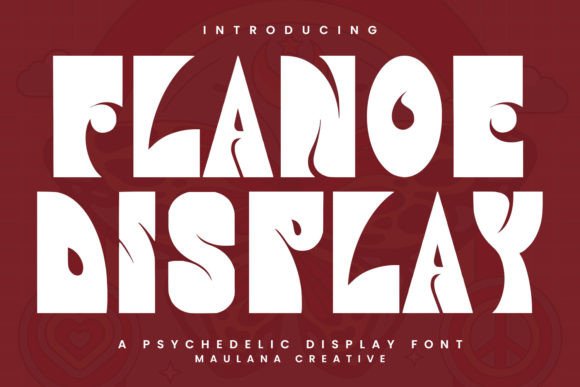
Before incorporating any new asset into your toolkit, it is essential to understand its inherent characteristics. Flanoe is defined by its wavy, groovy letterforms that evoke the free-spirited energy of the 1960s. Unlike standard sans-serif or serif fonts designed for neutrality, Flanoe carries a heavy emotional weight. It suggests playfulness, creativity, and a break from rigid corporate structures. This makes it an ideal candidate for projects that aim to disrupt traditional visual norms.
However, this distinctiveness comes with constraints. The fluid nature of the letters means that readability can suffer if the font is used at small sizes or in long blocks of text. Therefore, in your initial planning phase, you must categorize Flanoe as a display font. Its primary role is to anchor headlines, logos, and key visual statements rather than to carry body copy. Recognizing this limitation early in the workflow prevents costly revisions later in the design process.
Strategic Placement in the Design Process
Effective use of Flanoe begins during the conceptualization stage. When brainstorming ideas for a music album cover, a festival poster, or a lifestyle brand identity, consider whether the project’s tone aligns with the retro vibe Flanoe offers. If the goal is to convey stability, seriousness, or high-tech precision, this font may create cognitive dissonance for the audience. Conversely, if the objective is to evoke warmth, nostalgia, or artistic flair, Flanoe becomes a central pillar of the visual strategy.
During the execution phase, Flanoe should be introduced after establishing the layout grid but before finalizing color palettes. Because the font’s shapes are organic and irregular, they interact dynamically with negative space. Designers should adjust kerning and leading manually to ensure that the wavy letters do not collide or create awkward gaps. This step is crucial for maintaining professional quality control. Automated spacing tools often struggle with decorative fonts, so a hands-on approach ensures that the typography feels intentional rather than accidental.
Compatibility and Pairing Strategies
A common mistake in typography is pairing two dominant fonts. Since Flanoe is visually loud, it requires a quiet partner to create balance. In your workflow, select a complementary typeface that offers high legibility and structural simplicity. Clean sans-serif fonts like Helvetica, Arial, or modern geometric sans-serifs work exceptionally well. These neutral counterparts allow Flanoe to shine as the focal point while ensuring that secondary information remains accessible.
Consider the hierarchy of information. Use Flanoe for the primary headline or the brand name. Then, switch to your secondary font for subheadings, body text, and captions. This contrast creates a clear visual path for the reader’s eye. For example, on a promotional poster, the event title in Flanoe grabs attention from a distance, while the date and location in a simple sans-serif provide clarity up close. This methodical approach to pairing enhances both aesthetic appeal and functional usability.
Technical Implementation and File Management
From a technical standpoint, integrating Flanoe into your workflow requires attention to file formats and licensing. Ensure that you have the appropriate web fonts (WOFF/WOFF2) for digital projects and OTF/TTF files for print design. Proper organization of these assets within your project folder prevents version control issues, especially when collaborating with team members or external vendors.
When preparing files for print, pay close attention to resolution and vector integrity. Because Flanoe features curved, flowing lines, rasterizing the font at low resolutions can result in jagged edges or loss of detail. Always keep text layers editable for as long as possible in your design software. Only convert text to outlines when necessary for final output or when sharing files with printers who may not have the font installed. This practice preserves flexibility and allows for last-minute textual adjustments without compromising design integrity.
Use Cases Across Industries
The versatility of Flanoe extends beyond traditional graphic design. Here are several practical applications where this font adds significant value:
- Music and Entertainment: Album covers, concert posters, and merchandise designs benefit from the psychedelic energy of Flanoe. It helps artists establish a unique visual identity that resonates with fans seeking an authentic, retro experience.
- Food and Beverage: Craft breweries, artisanal coffee shops, and vintage-style diners can use Flanoe on packaging and menus to convey a sense of heritage and handcrafted quality. It suggests a relaxed, enjoyable atmosphere.
- Fashion and Lifestyle: Lookbooks, social media graphics, and branding materials for boutique clothing lines can leverage Flanoe to appear trendy yet timeless. It appeals to consumers who value individuality and style.
- Education and Workshops: Creative workshops, art classes, and community events can use Flanoe in promotional materials to signal a fun, non-intimidating learning environment. It lowers barriers to entry by appearing approachable and engaging.
Quality Control and Consistency
Maintaining consistency is vital when using a distinctive font like Flanoe across multiple platforms. Develop a mini style guide that specifies exactly how the font should be used. Define minimum size requirements, acceptable color combinations, and prohibited modifications. For instance, avoid stretching or distorting the font, as this disrupts the carefully balanced proportions of the wavy letters. Instead, adjust the scale uniformly to fit different spaces.
Regularly review your designs against this style guide. Ask yourself whether the use of Flanoe enhances the message or distracts from it. If the font feels forced or out of context, reconsider its placement. Sometimes, less is more. Using Flanoe sparingly can create a stronger impact than overusing it. This disciplined approach ensures that the font remains a powerful asset rather than a visual clutter.
Long-Term Value and Brand Identity
Investing time in mastering Flanoe pays dividends in the long run. As trends cycle back towards retro and nostalgic aesthetics, having a proficient workflow for this style positions you ahead of the curve. Clients and audiences increasingly appreciate authenticity and character in branding. Flanoe offers a ready-made solution for achieving this look without resorting to clichés or outdated design tropes.
Furthermore, familiarity with Flanoe allows for faster turnaround times on relevant projects. Once you have established templates and pairing rules, you can rapidly prototype designs that meet client expectations. This efficiency frees up time for higher-level strategic thinking and creative experimentation. Ultimately, the goal is not just to use a font, but to wield it as a precise instrument in your design toolkit.
In conclusion, Flanoe is more than a collection of wavy letters; it is a gateway to a specific emotional resonance in design. By understanding its strengths, respecting its limitations, and integrating it thoughtfully into your workflow, you can create compelling visuals that stand out in a crowded marketplace. Whether you are designing a poster, a logo, or a digital campaign, let Flanoe bring the groove, while your strategic planning ensures the message lands with clarity and impact.