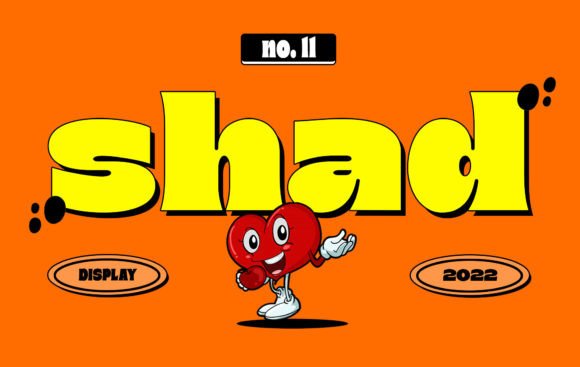
Shad: Elevating Visual Identity with a Beautiful Display Font
In the crowded landscape of digital and print design, typography often serves as the silent ambassador of your brand. It is not merely about readability; it is about mood, personality, and immediate visual impact. This is where Shad enters the conversation. As a beautiful display font, Shad offers a distinct aesthetic that bridges the gap between elegance and modernity. It is not designed for long-form body text, nor should it be. Instead, it thrives in the spotlight, commanding attention in headlines, logos, and short bursts of textual communication. For designers, marketers, and content creators aged 20 to 50 who are looking to inject character into their projects, understanding how to leverage Shad can transform a good design into a memorable one.
The Aesthetic Appeal of Shad
What makes Shad stand out in a sea of sans-serifs and traditional serifs? It is the balance of form and function within a decorative context. The typeface possesses a lovely, organic quality that feels both curated and accessible. Unlike rigid geometric fonts that can feel cold or industrial, Shad invites the viewer in. Its curves are smooth, its weights are balanced, and its overall presence is warm. This makes it an incredibly versatile tool for projects that require a human touch. Whether you are designing for a boutique coffee shop or a high-end fashion blog, the font provides a foundational layer of sophistication without appearing pretentious.
When we talk about display fonts, we are talking about typefaces meant to be seen at larger sizes. Shad excels here because its details remain crisp and legible even when scaled up for a billboard or a website hero section. However, its charm is also evident at smaller scales, such as in a logo mark or a magazine pull quote. This flexibility is rare in display typefaces, which often sacrifice versatility for stylistic flair.
Transforming Print Media with Shad
Print media remains a powerful medium for tangible brand experiences, and Shad is particularly well-suited for this arena. Consider the world of books and magazines. A book cover needs to communicate genre and tone within seconds. A romance novel might use Shad to convey softness and intimacy, while a lifestyle magazine might employ it for feature headers to suggest approachability and style. The font’s ability to hold space on a page without overwhelming the accompanying imagery is a significant asset.
In posters and advertisements, the goal is immediate capture. Shad’s distinct letterforms create a visual hook. Imagine a poster for a local art exhibition. Using Shad for the event title creates a sense of curated elegance that aligns with the artistic content. Similarly, in printed advertisements for luxury goods or artisanal products, the font adds a layer of perceived value. It suggests that care was taken in every aspect of the presentation, from the product itself to the typography used to describe it.
Digital Applications and Branding
The digital realm demands typography that is not only beautiful but also functional across various screen sizes. Shad proves to be a robust choice for blog headers and website banners. In an era where users scan content rapidly, a distinctive header font helps break up text and guide the eye. When used for blog titles, Shad adds personality to otherwise standard web layouts, helping brands establish a unique voice.
For branding and logos, the stakes are higher. A logo must be recognizable, scalable, and timeless. Shad’s clean lines and balanced proportions make it an excellent candidate for logotypes, particularly for businesses in the lifestyle, wellness, and creative sectors. A yoga studio, for instance, might choose Shad to reflect calm and balance. A photography portfolio site might use it to frame images without distracting from them. The key is consistency. Once Shad is chosen as part of a brand identity, it should be applied consistently across business cards, social media graphics, and packaging to reinforce brand recognition.
Enhancing Social Media and Photography
Social media is a visual-first environment, and typography plays a crucial role in stopping the scroll. Photography enthusiasts and professionals often overlay text on images to provide context or inspiration. Shad pairs beautifully with photographic backgrounds because it does not compete for attention. Instead, it complements the image. Whether it is a minimalist landscape or a vibrant portrait, Shad adds a textual element that feels integrated rather than slapped on.
Consider the popularity of quotes on platforms like Instagram and Pinterest. Users are drawn to shareable content that resonates emotionally. Using Shad for quote graphics elevates the design from a simple text overlay to a piece of digital art. The font’s lovely characteristics ensure that the message is delivered with grace. This is particularly effective for influencers, coaches, and thought leaders who rely on visual storytelling to engage their audience. The font becomes part of the narrative, enhancing the emotional weight of the words.
Practical Considerations for Designers
While Shad is a powerful tool, it is essential to understand its limitations to use it effectively. As a display font, it is not suitable for body copy. Attempting to use it for paragraphs of text will result in poor readability and visual fatigue. Always pair Shad with a neutral, highly legible sans-serif or serif font for longer passages. This contrast creates a hierarchy that guides the reader through the content smoothly.
Another consideration is spacing. Display fonts often benefit from adjusted kerning and tracking. Depending on the specific application, you may need to tighten the letter spacing for headlines to create a cohesive block of text or loosen it for a more airy, elegant feel. Experimentation is key. Test Shad in different contexts—on light backgrounds, dark backgrounds, over images, and in isolation—to see how it performs.
Color also plays a significant role in how Shad is perceived. Because of its clean structure, it works well in monochrome settings, but it also shines in bold, vibrant colors. For branding projects, consider how the font interacts with your color palette. A muted pastel might enhance its softness, while a stark black and white combination might highlight its structural integrity.
Who Benefits Most from Shad?
The versatility of Shad means it appeals to a wide range of users. Graphic designers will appreciate its ease of use and adaptability across different media. Small business owners looking to create their own marketing materials will find it approachable yet professional. Content creators and bloggers will value its ability to add visual interest to digital posts. Even photographers who want to watermark their work or create promotional materials will find Shad to be a reliable and aesthetically pleasing choice.
Ultimately, the decision to use Shad comes down to the message you wish to convey. If your project requires a touch of beauty, a sense of calm, or a modern yet classic feel, Shad is likely an ideal fit. It is not just a font; it is a design element that contributes to the overall story of your work. By integrating Shad thoughtfully into your projects, you elevate the visual experience for your audience, creating a lasting impression that goes beyond the words themselves.
As you explore the possibilities, remember that typography is an iterative process. Try Shad in your next logo draft, your upcoming magazine spread, or your next social media campaign. Observe how it interacts with other elements. Notice how it changes the tone of the message. With its lovely character and broad applicability, Shad offers a wealth of creative potential for those willing to experiment. It is a tool that respects the designer’s intent while providing the polish needed to stand out in a competitive visual landscape.