Somebody: Mastering the Art of Elegant Handwritten Typography
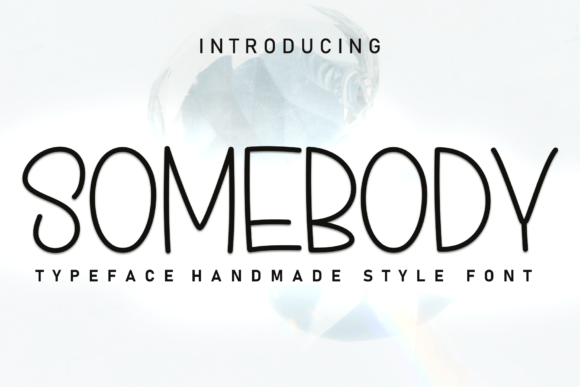
Choosing the right typeface is often the difference between a design that feels amateurish and one that commands attention. In the vast ocean of digital fonts, Somebody stands out as a neat and beautiful handwritten option that balances personality with readability. It is described by an elegant touch, making it perfect for your favorite projects where a human connection is essential. However, many designers and business owners stumble not because the font is flawed, but because they misunderstand how to deploy such a distinct style effectively.
Fall in love with its incredibly distinct and timeless style, but remember that affection must be paired with strategy. Use it to create spectacular designs, but avoid the common pitfalls that turn elegance into clutter. This guide explores how to leverage Somebody correctly, helping you avoid costly aesthetic mistakes and ensuring your communication remains clear, professional, and visually appealing.
The Misconception of "Casual" Legibility
One of the most frequent errors creators make when using handwritten fonts like Somebody is assuming that "handwritten" equals "casual" or "messy." This misunderstanding leads to poor decisions regarding hierarchy and spacing. Because Somebody features an elegant touch, it retains a level of sophistication that demands respect. Treating it like a scribbled note undermines its value.
When you use this font for large blocks of body text, you risk exhausting your reader. The intricate loops and distinct character shapes are designed for impact, not endurance. A common mistake is placing long paragraphs in Somebody, which reduces usability and efficiency. The eye struggles to track lines that lack the uniform verticality of sans-serif or serif typefaces. This affects satisfaction and can cause potential customers to bounce from your website or ignore your printed materials.
Better approach: Reserve Somebody for headlines, short quotes, logos, or call-to-action buttons. Pair it with a clean, neutral sans-serif font for body copy. This contrast highlights the beauty of the handwritten style while maintaining high readability for informational content.
Ignoring Context and Brand Alignment
Another overlooked detail is the emotional resonance of the typeface. Somebody exudes warmth, intimacy, and artisanal quality. A critical error occurs when entrepreneurs force this font into contexts that require rigid authority or cold technical precision. For example, using Somebody for a legal disclaimer or a financial data table creates cognitive dissonance. The viewer senses a mismatch between the message’s seriousness and the font’s friendly demeanor.
This misalignment affects presentation and communication. It can make a brand appear inconsistent or unsure of its identity. Small business owners, in particular, might choose Somebody simply because it is trendy, without considering if it aligns with their core values. If your brand is about high-tech security, a handwritten font may inadvertently signal vulnerability rather than strength.
Practical advice: Before downloading or buying any license, ask yourself if the emotion of the font matches your brand voice. If you are a wedding planner, a boutique baker, or a lifestyle blogger, Somebody is likely an excellent fit. If you are a corporate law firm, look elsewhere. Ensure the font supports your narrative rather than contradicting it.
Technical Pitfalls in Spacing and Scaling
Handwritten fonts often have unique kerning pairs and ligatures that standard system fonts do not. A significant mistake beginners make is ignoring these technical nuances. When you scale Somebody down too small, the elegant details merge into illegible blobs. Conversely, scaling it up without adjusting letter-spacing can create awkward gaps that break the visual flow.
This issue directly impacts quality and professionalism. A logo that looks stunning on a desktop monitor may become unreadable on a mobile device or a business card if the sizing is not carefully tested. Many creators overlook the need to test their designs across various mediums. They assume what works in print will work digitally, or vice versa.
To avoid this, always preview your design at the actual size it will be viewed. Check the spacing between specific letter combinations like "av," "To," or "ly." If the default spacing feels off, manually adjust the tracking. Do not rely solely on automatic settings. Taking the time to refine these details ensures that the timeless style of Somebody remains intact regardless of the platform.
Overlooking Licensing and Usage Rights
Perhaps the most dangerous mistake involves the legal aspect of font usage. Many users download free versions of premium fonts or misuse personal-use licenses for commercial projects. Somebody is a professional asset, and using it without proper authorization can lead to legal complications and financial penalties.
Freelancers and agencies must be particularly vigilant. Using a font licensed only for personal projects in a client’s commercial campaign is a breach of contract and copyright law. This affects cost and reputation. It is far cheaper to buy the correct license upfront than to deal with cease-and-desist letters later.
What to check before making a decision:
- Verify the license type: Is it for personal use, commercial use, or both?
- Check the number of users allowed: Does your team need a multi-user license?
- Confirm web embedding rights: If you plan to use Somebody on a website via CSS, ensure the license covers webfonts.
- Read the terms for merchandise: Some licenses exclude physical products like t-shirts or mugs.
Always purchase from reputable foundries or authorized distributors. This ensures you receive the complete font family, including all weights and styles, along with proper documentation. It also supports the type designer, encouraging the creation of more high-quality tools like Somebody.
Creating Harmony Through Contrast
Finally, a common aesthetic error is pairing Somebody with another decorative font. This creates visual noise and competition. When two complex typefaces fight for attention, neither succeeds. The result is a chaotic design that lacks focus and fails to guide the viewer’s eye.
Instead, embrace simplicity in your supporting elements. Let Somebody be the star. Pair it with a geometric sans-serif for a modern look or a classic serif for a traditional feel. The key is balance. The neatness of Somebody allows it to sit comfortably alongside structured fonts, provided there is enough white space to let each element breathe.
Consider the color palette as well. An elegant handwritten font often shines best in monochrome or muted tones. Overly bright or clashing colors can detract from the sophisticated curves of the letters. Test different combinations to see what enhances the font’s natural beauty rather than overwhelming it.
In conclusion, Somebody offers a unique opportunity to inject humanity and elegance into your designs. By avoiding these common mistakes—misjudging legibility, ignoring context, neglecting technical details, overlooking licensing, and poor pairing—you can unlock its full potential. Take the time to understand the tool you are using. With careful application, you will create spectacular designs that resonate with your audience and stand the test of time.