Dynamix Street: Mastering the Art of 3D Graffiti Typography
In the saturated world of digital design, capturing attention requires more than just legible text; it demands presence. Dynamix Street emerges as a powerful solution for creators seeking to infuse their work with the raw, kinetic energy of urban culture. This is not merely a typeface; it is an explosion of 3D artistry designed to mimic the vibrancy and depth of street graffiti. However, many designers, from seasoned professionals to enthusiastic beginners, often stumble when integrating such bold typographic tools into their projects. Understanding the nuances of this font can mean the difference between a design that pops and one that feels cluttered or amateurish.
Understanding the Multi-Tiered Structure
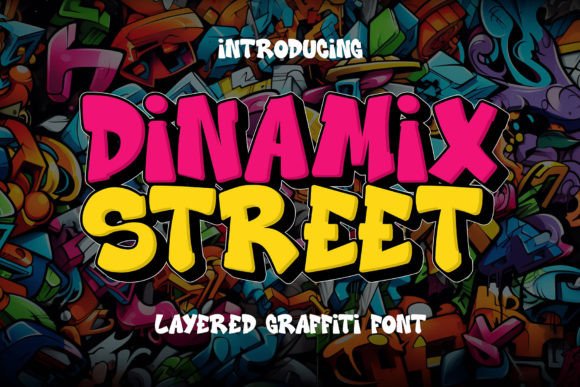
At its core, Dynamix Street is defined by its unique multi-tiered structure. Unlike standard flat fonts, this typeface offers layers: a solid base, an echo-like shadow, and an enriching extrude. These elements work together to invoke a sense of momentum, adding an intriguing dimensional aspect to any composition. The mistake many make is treating these layers as optional decorations rather than integral components of the letterform’s identity. When you ignore the interplay between the base and the shadow, you lose the "pulse" of city life that the font is designed to convey.
For those working on streetwear designs, album covers, or event posters, this dimensional quality is the magic ingredient. It allows your designs to live the story they are telling. Yet, without proper handling, the complexity of these layers can overwhelm the viewer. The key is balance. You must respect the weight and volume each layer adds to the visual hierarchy.
Common Pitfalls in Application
One of the most frequent errors observed when using graffiti-inspired fonts is poor contrast management. Because Dynamix Street is inherently bold and energetic, placing it against a busy background often results in visual noise. Readers may struggle to decipher the message, defeating the purpose of communication. A better approach is to use high-contrast backgrounds or apply subtle overlays that allow the 3D effect to stand out without competing for attention.
Another common misunderstanding involves scaling. Beginners often assume that because the font is detailed, it can be used at small sizes for body text or footnotes. This is a critical error. The intricate extrusions and shadows of Dynamix Street require space to breathe. At small sizes, these details merge into illegible blobs, reducing the perceived quality of your work. Reserve this powerhouse font for headlines, logos, and focal points where its intensity can be fully appreciated.
The Trap of Over-Layering
While the selective layering capability of Dynamix Street is a standout feature, it invites the temptation to over-design. Some users stack every available effect—base, shadow, extrude, and additional external effects—believing more equals better. This often leads to a muddy, heavy aesthetic that lacks the crispness associated with professional urban design. Instead, consider using the layers selectively. Perhaps use just the solid base for a cleaner look, or combine the base with the echo-like shadow for a subtle depth that doesn’t dominate the layout. This restraint ensures the font serves the design, rather than overpowering it.
Contextual Suitability and Brand Alignment
Not every project benefits from the raw vibe of street life. A frequent oversight is applying Dynamix Street to brands or messages that require subtlety, elegance, or corporate neutrality. Using this font for a law firm’s brochure or a minimalist skincare brand creates a dissonance that confuses the audience. Before downloading or purchasing, ask yourself if the kinetic energy of the font aligns with the brand’s voice. If the goal is to convey trust, stability, or calm, this font may not be the right tool. However, for music festivals, sports apparel, or youth-oriented marketing campaigns, it is an ideal match.
Entrepreneurs and small business owners should also consider the longevity of the trend. While graffiti styles have enduring appeal in certain subcultures, they can date quickly if not handled with timeless design principles. To avoid this, pair Dynamix Street with neutral, sans-serif secondary fonts. This combination grounds the expressive headline in a structured layout, ensuring the design remains effective even as trends shift.
Technical Considerations for Best Results
When evaluating Dynamix Street for your toolkit, pay close attention to file formats and software compatibility. High-quality 3D effects often rely on specific vector paths or layered PSD files. Ensure your design software can handle these structures efficiently. Working with complex layered fonts can slow down older computers or cause rendering issues in web-based design tools. Testing the font in your intended environment before finalizing a project is a prudent step that saves time and frustration.
Furthermore, consider the output medium. The rich textures and shadows of Dynamix Street shine on high-resolution digital screens and glossy prints. However, if you are printing on textured materials or low-quality paper, the fine details of the extrude may get lost. In such cases, simplify the design by using fewer layers or increasing the stroke weight to maintain clarity. This practical adjustment ensures your design retains its impact regardless of the physical medium.
Making an Informed Decision
Before committing to Dynamix Street, review your current design library. Do you already have fonts that offer similar dimensional capabilities? If so, assess whether Dynamix Street brings something unique to the table. Its specific blend of urban grit and polished 3D structure may fill a gap in your resources, particularly for projects needing an unmistakable visual impact. Look for demos or trial versions if available. Test the font in real-world scenarios: create a mock album cover, a social media post, and a merchandise tag. Observe how the font behaves in different contexts and how easy it is to manipulate the layers.
- Check Legibility: Ensure the text remains readable at various distances and sizes.
- Evaluate Contrast: Test the font against light, dark, and patterned backgrounds.
- Assess Compatibility: Confirm that your software supports the layered structure without glitches.
- Consider Audience: Verify that the urban aesthetic resonates with your target demographic.
Ultimately, Dynamix Street is more than a font; it is a stylistic statement. By avoiding common pitfalls such as poor contrast, inappropriate scaling, and over-layering, you can harness its full potential. Whether you are a freelancer looking to elevate your portfolio or a marketer aiming to capture the youth demographic, this typeface offers a strikingly immersive 3D experience. Use it wisely, respect its intensity, and let your designs not just tell a story, but live it with the vibrant pulse of the street.