Mankey Caimel: Modern Retro Typography
In the ever-evolving landscape of digital design, trends tend to cycle with predictable regularity. Yet, every so often, a typeface emerges that doesn’t just follow a trend but perfectly encapsulates a specific aesthetic moment. Mankey Caimel is one such font. It stands at the intersection of contemporary minimalism and nostalgic warmth, offering designers a versatile tool that feels both fresh and familiar. For creatives, marketers, and business owners looking to elevate their visual communication, understanding the nuances of this typeface can unlock new possibilities for branding and engagement.
The Aesthetic Balance of Nostalgia and Modernity
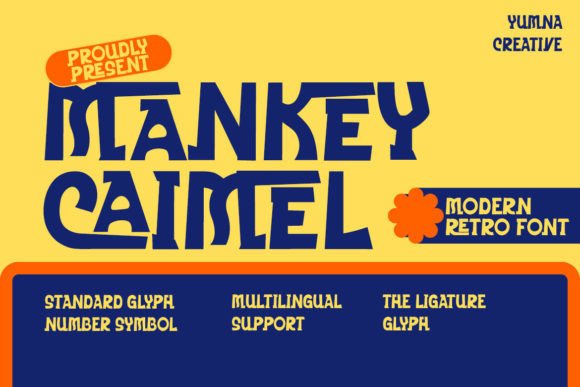
What makes Mankey Caimel particularly compelling is its ability to blend two seemingly opposing styles. On one hand, it features the sleek, clean lines associated with modern sans-serif typography. These elements ensure legibility and a professional appearance suitable for digital screens and high-resolution prints. On the other hand, it incorporates subtle retro flourishes—slight variations in stroke weight, softened terminals, and a geometric structure that recalls mid-century design principles.
This duality allows the font to evoke a sense of history without feeling dated. It avoids the heavy ornamentation of true vintage fonts, which can sometimes clutter a design or reduce readability. Instead, it offers a "classic vibe" that suggests reliability and timelessness. For brands aiming to project stability while remaining relevant, this balance is invaluable. It speaks to an audience that appreciates craftsmanship and heritage but lives in a fast-paced, modern world.
Technical Advantages: The Power of PUA Encoding
Beyond its visual appeal, Mankey Caimel offers significant technical benefits that streamline the design process. One of its most notable features is that it is PUA encoded. For those unfamiliar with typography terminology, PUA (Private Use Area) encoding is a method that allows access to special characters, glyphs, and ligatures without the need for complex software workarounds.
In practical terms, this means you can access all the amazing glyphs and ligatures with ease. Whether you are using Adobe Illustrator, Photoshop, Canva, or even Microsoft Word, the special characters are readily available through standard character maps or glyph panels. This accessibility removes friction from the creative workflow. Designers no longer need to copy and paste from external files or rely on specific OpenType feature settings that may not be supported across all platforms. This efficiency is crucial for freelancers and agencies working under tight deadlines, as it reduces technical hurdles and allows more time for creative exploration.
Practical Applications Across Industries
The versatility of Mankey Caimel makes it suitable for a wide range of applications. Its unique character allows it to stand out in crowded markets while maintaining the professionalism required for corporate communications.
Branding and Identity
For entrepreneurs and small business owners, first impressions are critical. Using Mankey Caimel in logo design or brand guidelines can help establish a distinct voice. It works exceptionally well for businesses in lifestyle sectors, such as boutique coffee shops, artisanal bakeries, fashion labels, and interior design firms. These industries often benefit from a touch of nostalgia to create an emotional connection with customers, while the modern elements ensure the brand feels current and competitive.
Digital Marketing and Social Media
In the realm of digital marketing, attention spans are short. Visuals must capture interest immediately. The clean lines of Mankey Caimel ensure that text remains readable on mobile devices, where much of social media consumption occurs. Marketers can use the font for quote graphics, promotional banners, and story highlights. The available ligatures add a custom, high-end feel to simple text overlays, making content appear more polished and intentional without requiring extensive graphic design skills.
Publishing and Editorial Design
Bloggers, publishers, and educators can leverage this font to enhance the reading experience. While it may not be ideal for long-form body text due to its distinctive personality, it excels in headings, subheadings, and pull quotes. Using Mankey Caimel for chapter titles in e-books or section headers in online articles creates visual hierarchy and breaks up text blocks effectively. It adds personality to educational materials, making them more engaging for students and readers alike.
Enhancing User Experience and Engagement
Typography plays a subtle but powerful role in user experience (UX). The right font can guide the eye, set the tone, and influence how information is perceived. Mankey Caimel contributes to positive UX by providing clear visual cues. Its distinct style helps differentiate between different types of content, such as separating navigational elements from primary content.
Furthermore, the emotional resonance of the font can increase engagement. Users are more likely to trust and interact with brands that present themselves cohesively and thoughtfully. By choosing a typeface that balances modernity with retro charm, businesses signal that they are attentive to detail and aware of design trends. This perception of quality can translate into higher conversion rates, longer session durations, and increased brand loyalty.
Considerations for Implementation
While Mankey Caimel is highly versatile, it is essential to use it judiciously. Here are some practical recommendations for getting the most out of this typeface:
- Pairing: Because Mankey Caimel has a strong personality, it pairs best with neutral, simple sans-serif fonts for body text. Avoid pairing it with other decorative or highly stylized fonts, as this can create visual clutter and reduce readability.
- Hierarchy: Use the bold weights for headlines and the lighter weights for subheads. Reserve the standard weight for short captions or emphasis within text. Do not use it for large paragraphs of body copy, as its unique features may become distracting over long reading sessions.
- Color and Contrast: The sleek lines of the font look particularly striking against high-contrast backgrounds. Experiment with dark text on light backgrounds or vice versa to maximize impact. Pastel colors can enhance the retro vibe, while bold primary colors can emphasize the modern aspect.
- Ligature Usage: Take advantage of the PUA-encoded ligatures to add elegance to specific words. However, use them sparingly. Overusing ligatures can make text difficult to read and may appear pretentious rather than polished.
Final Thoughts on Choosing Mankey Caimel
Selecting a typeface is more than just picking something that looks good; it is about finding a visual voice that aligns with your message and audience. Mankey Caimel offers a rare combination of aesthetic flexibility and technical convenience. Its modern-retro blend appeals to a broad demographic, bridging the gap between younger audiences who appreciate vintage aesthetics and older demographics who value classic design principles.
For professionals seeking to refine their visual identity, this font provides a robust foundation. Whether you are designing a new logo, updating your website, or creating social media content, Mankey Caimel delivers the clarity and charm needed to make your message resonate. By understanding its strengths and applying it with intention, you can create designs that are not only visually appealing but also effective in achieving your communication goals.