Reviving the Golden Age: Why Vintage Comic 2.0 Is the Ultimate Typeface for Modern Creatives
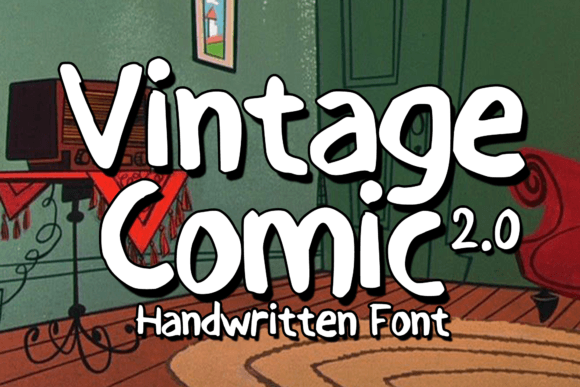
There is a distinct, nostalgic energy that radiates from the pages of mid-20th-century comic books. The bold lines, the imperfect ink bleeds, and the hand-lettered dialogue bubbles create an atmosphere that feels both adventurous and intimately human. For decades, designers have sought to capture this aesthetic, but often found themselves limited by rigid digital fonts that lacked soul or authenticity. This is where Vintage Comic 2.0 changes the game. It is not merely a font; it is a bridge between the analog charm of yesterday and the crisp demands of modern digital design.
As a vintage comic-style font, Vintage Comic 2.0 has long been a favorite among illustrators and graphic designers who need that casual, punchy look. However, the release of the new version marks a significant evolution in its utility and reach. By expanding its character set to include full support for English, French, German, Italian, and Spanish, this typeface has transformed from a niche decorative element into a robust tool for international branding and storytelling. Whether you are designing a local flyer or a global marketing campaign, this update ensures your typography remains consistent and authentic across borders.
Beyond Nostalgia: The Versatility of Hand-Drawn Aesthetics
One might assume that a font labeled "vintage" is restricted to retro-themed projects. While it certainly excels there, the true power of Vintage Comic 2.0 lies in its adaptability. The modern design landscape craves authenticity. Consumers are increasingly drawn to brands that feel approachable, handmade, and less corporate. This typeface delivers exactly that casual touch without sacrificing readability.
Consider the world of children’s literature. Kids’ book designs require typography that is engaging, friendly, and easy to read. Standard sans-serif fonts can sometimes feel sterile or educational in a dry way. In contrast, the organic curves and slight irregularities of Vintage Comic 2.0 mimic the warmth of a story being told aloud. It invites young readers in, making the text feel like part of the illustration rather than just information overlaid on top of it.
Similarly, in the realm of apparel, particularly t-shirts, the demand for unique, statement-making graphics is higher than ever. A slogan printed in a generic font rarely stops someone in their tracks. But when that same slogan is rendered in a bold, comic-inspired typeface, it gains personality. It suggests fun, rebellion, or humor. Designers using Vintage Comic 2.0 can create merchandise that feels collectible and special, appealing to fans of pop culture, gaming, and indie art scenes.
Expanding Horizons: Multilingual Support for Global Projects
The most critical upgrade in this latest iteration is the inclusion of extended language support. In our interconnected world, design is rarely monolingual. A sticker brand based in Berlin may want to sell to customers in Madrid. A greeting card company in Paris might be targeting tourists from Italy. Previously, using a specialized display font like this would require switching to a secondary, less cohesive font for accented characters, breaking the visual harmony of the design.
With Vintage Comic 2.0, you now have seamless access to characters required for French, German, Italian, and Spanish. This means accents, umlauts, and tildes are crafted with the same attention to detail as the standard Latin alphabet. The result is a unified visual identity. You do not have to compromise on style for the sake of linguistic accuracy. This feature alone makes it an invaluable asset for agencies working with international clients or independent creators looking to expand their market reach.
Practical Applications in Everyday Design Workflows
How does one effectively integrate such a distinctive font into a professional workflow? The key is balance. Because Vintage Comic 2.0 has such a strong personality, it works best when used intentionally. Here are several scenarios where this font shines:
- Greeting Cards and Stationery: The casual nature of the font makes it perfect for birthdays, holidays, and thank-you notes. It conveys warmth and personal effort, even when the card is mass-produced.
- Stickers and Decals: Sticker culture thrives on bold, readable text that can be understood at a glance. The thick strokes and clear letterforms of this typeface ensure legibility even at small sizes.
- Posters and Event Flyers: Whether promoting a garage sale, a music gig, or a community workshop, this font adds an energetic vibe that grabs attention from a distance.
- Packaging Design: For artisanal products like homemade jams, craft beers, or small-batch snacks, the vintage aesthetic suggests quality and tradition. It helps the product stand out on shelves dominated by minimalist, modern packaging.
When using Vintage Comic 2.0 for posters, consider pairing it with solid, contrasting colors. The comic book heritage of the font lends itself well to primary colors—reds, blues, and yellows—but it also looks sophisticated in muted, earthy tones for a more subdued vintage feel. The versatility allows you to pivot between loud and playful or soft and nostalgic depending on your color palette.
Technical Considerations and Best Practices
While the aesthetic appeal is obvious, practical considerations matter. Because this is a display font, it is not designed for long blocks of body text. Using it for paragraphs in a novel or a dense report would strain the reader’s eyes. Instead, reserve it for headlines, titles, short quotes, and captions. Let it breathe. Give it space on the page so its unique characteristics can be appreciated.
Furthermore, the new multilingual capabilities mean you should always check your kerning and spacing when mixing languages. While the font designer has optimized the glyphs, different letter combinations in German or French may interact differently than in English. A quick visual review ensures that accents do not collide with adjacent letters, maintaining the clean, professional look you aim for.
Another benefit of the updated version is its compatibility with modern design software. Whether you are working in Adobe Illustrator, Photoshop, InDesign, or free alternatives like GIMP and Canva, Vintage Comic 2.0 installs easily and behaves predictably. This reliability saves time during the creative process, allowing you to focus on composition and concept rather than troubleshooting font errors.
Falling in Love with the Creative Process
Ultimately, the choice of typography influences the mood of the entire project. Vintage Comic 2.0 invites designers to play. It encourages experimentation with layout, color, and texture. It reminds us that design does not always have to be sleek, minimal, or serious. Sometimes, it needs to be fun. Sometimes, it needs to tell a story.
By incorporating this font into your toolkit, you are not just choosing a set of letters; you are choosing a style that resonates with people on an emotional level. It taps into collective memories of Saturday morning cartoons, comic book shops, and handwritten notes. In a digital age that can often feel cold and distant, that human connection is priceless.
Whether you are creating a series of stickers for an online shop, designing a poster for a local event, or laying out a children’s book, Vintage Comic 2.0 offers the perfect blend of retro charm and modern functionality. Its expanded language support ensures that your creativity knows no borders, while its timeless style ensures your designs remain relevant. Fall in love with its incredibly versatile style and use it to create lovely designs that speak volumes without saying a word.