Groovy Dream: Evaluating a Playfully Nostalgic Typeface for Modern Design
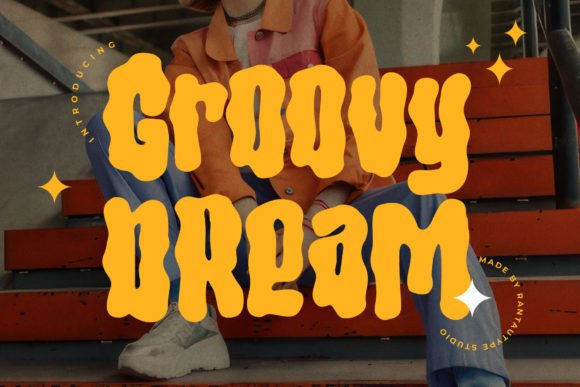
In the ever-evolving landscape of graphic design, typography serves as more than just a vehicle for text; it is a primary communicator of tone, era, and emotion. Among the myriad of options available to designers today, Groovy Dream has emerged as a distinctive choice for those seeking to infuse their projects with a specific kind of retro charm. This typeface is characterized by its playfully nostalgic aesthetic, featuring unique and sinuous shapes that harken back to the vibrant design trends of the 1970s. For designers, marketers, and creative directors evaluating font options, understanding the specific nuances of Groovy Dream is essential to determining whether it aligns with their project goals.
Understanding the Aesthetic Appeal
Groovy Dream is not merely a standard sans-serif or serif font; it is a display typeface designed to capture attention through its fluidity and character. The term "sinuous" accurately describes its structural integrity, where letters flow into one another with a rhythmic consistency that mimics hand-lettering from the psychedelic and disco eras. This vintage fun retro style is not accidental but carefully engineered to evoke feelings of warmth, creativity, and informal joy.
The font’s potential lies in its ability to elevate creative ideas by providing an immediate visual context. When a viewer encounters Groovy Dream, they are subconsciously transported to a time associated with musical innovation, social change, and bold artistic expression. For brands or projects aiming to leverage this cultural association, the typeface offers a shortcut to establishing a specific mood without the need for extensive illustrative support.
Strategic Applications and Ideal Use Cases
Determining when to use Groovy Dream requires an understanding of its strengths. It is particularly effective in scenarios where the primary objective is to create a friendly, approachable, and memorable brand identity. Below are several contexts where this typeface tends to perform well:
- Music and Entertainment Branding: Given its roots in 70s aesthetics, Groovy Dream is a natural fit for album covers, festival posters, and promotional materials for jazz, funk, soul, or indie rock genres.
- Hospitality and Food Packaging: Restaurants, cafes, and artisanal food brands often utilize retro typography to suggest homemade quality, tradition, or a cozy atmosphere. The sinuous shapes of Groovy Dream can soften the visual impact of packaging, making products appear more inviting.
- Fashion and Lifestyle Marketing: Brands targeting demographics that appreciate vintage fashion or sustainable, slow-living concepts may find that Groovy Dream reinforces their narrative of timeless style and conscious consumption.
- Creative Portfolios and Personal Branding: Designers, illustrators, and photographers can use this font in their logos or headers to signal a playful, unconventional approach to their work.
In each of these situations, the font acts as a thematic anchor. It does not just display information; it enhances the storytelling aspect of the design, bringing vintage fun retro elements to the forefront of the viewer's experience.
Tradeoffs and Legibility Considerations
While Groovy Dream offers significant aesthetic benefits, it is crucial to approach its usage with an awareness of its limitations. Like many display fonts with unique and sinuous shapes, it prioritizes style over universal readability. This tradeoff is a common consideration in typography selection.
Legibility at Small Sizes: The intricate curves and connected nature of the letters can become difficult to decipher when scaled down. Therefore, Groovy Dream is generally unsuitable for body text, legal disclaimers, or any content requiring rapid scanning. It is best reserved for headlines, titles, logos, and short pull quotes where the text size is large enough to allow the shapes to be appreciated without causing eye strain.
Pairing Challenges: Because Groovy Dream is so distinct, pairing it with other typefaces requires careful consideration. Using it alongside another decorative or highly stylized font can result in visual clutter and a lack of hierarchy. To maintain balance, designers should pair it with neutral, clean sans-serif or simple serif fonts that provide a stable foundation. This contrast ensures that the Groovy Dream elements stand out as focal points rather than competing for attention.
Evaluating Fit for Your Project
When deciding whether Groovy Dream is the right tool for your creative toolkit, consider the following decision-making factors:
- Target Audience Resonance: Does your audience have an affinity for retro culture? If your demographic skews younger and is unfamiliar with 70s design cues, the nostalgic element may be lost, though the playful shape may still appeal to them on a purely aesthetic level. Conversely, older demographics may appreciate the authentic homage to the era.
- Brand Personality Alignment: Is your brand voice serious, corporate, or minimalist? If so, Groovy Dream may clash with your established identity. However, if your brand values creativity, fun, and approachability, this typeface can reinforce those traits effectively.
- Medium and Format: Consider where the text will appear. Digital screens, especially mobile devices, require high legibility. While Groovy Dream can work well in digital headers, ensure that the resolution and sizing are optimized to prevent the sinuous details from blurring or merging.
Alternatives and Comparative Analysis
If Groovy Dream feels too specific or intense for your needs, it is worth exploring alternatives. For projects requiring a retro feel but with greater readability, consider rounded sans-serif fonts that offer a softer touch without the complex ligatures. Alternatively, if the goal is nostalgia but with a more structured look, slab serifs from the same era might provide a sturdy yet vintage alternative.
However, few fonts capture the specific "playfully nostalgic" vibe with the same fluidity as Groovy Dream. Its unique shape makes it a standout choice for designers who want to make a bold statement. The key is to use it sparingly and strategically. Overuse can dilute its impact, turning a stylish choice into a cliché. By treating it as a accent rather than a workhorse, you preserve its power to surprise and delight.
Conclusion
Groovy Dream represents a compelling option for designers looking to inject personality and historical reference into their work. Its sinuous shapes and vintage fun retro character offer a distinct visual language that can elevate creative projects from mundane to memorable. However, its effectiveness depends entirely on context. By respecting its limitations regarding legibility and pairing, and by aligning its use with appropriate brand personalities and audiences, designers can harness its full potential. Whether used for a music festival poster or a boutique coffee label, Groovy Dream serves as a reminder that typography is not just about reading—it is about feeling. For those willing to navigate its stylistic nuances, it remains a valuable asset in the pursuit of distinctive, emotionally resonant design.