Black Vintage: A Delicate and Timeless Typography Choice
In the expansive world of digital typography, selecting the right typeface is often the most critical decision in a design project. The font chosen sets the tone, establishes hierarchy, and communicates brand personality before a single word is read. Among the myriad options available, Black Vintage has emerged as a notable contender for designers seeking a blend of elegance and historical charm. This typeface is characterized by its delicate structure, balanced characters, and timeless appeal, making it a versatile tool for a wide pool of design applications.
Understanding whether Black Vintage aligns with your specific creative goals requires more than just viewing a specimen sheet. It involves evaluating its technical features, aesthetic nuances, and practical limitations. This article explores the characteristics of Black Vintage, offering an objective look at where it excels and where alternative choices might be more appropriate.
Defining the Aesthetic of Black Vintage
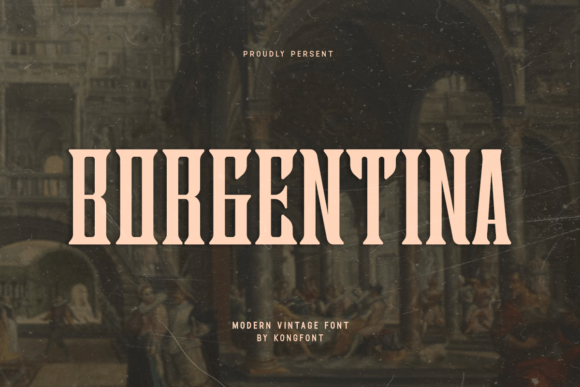
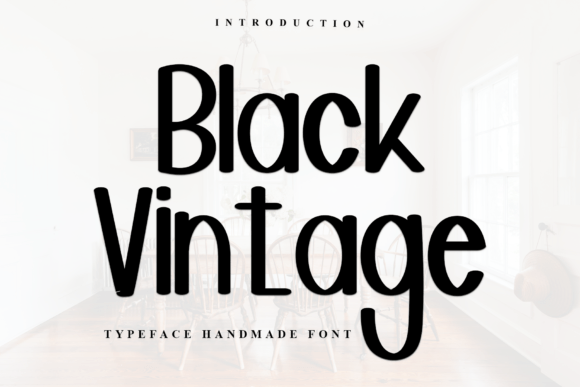
Black Vintage is best described as a delicate and elegant display font. Unlike heavy, blocky slab serifs or ultra-modern geometric sans-serifs, this typeface leans into a refined, almost calligraphic sensibility. The characters are well-balanced, meaning the visual weight is distributed evenly across letters, preventing any single glyph from appearing too dominant or too weak within a word. This balance contributes significantly to its readability and aesthetic harmony.
The "vintage" aspect of its name is not merely a marketing label but a reflection of its stylistic roots. It draws inspiration from early 20th-century printing styles, evoking a sense of nostalgia without feeling dated or obsolete. The result is a timeless quality that allows the font to bridge the gap between classic tradition and contemporary minimalism. When integrated into creative ideas, Black Vintage tends to make designs feel more curated and intentional, adding a layer of sophistication that simpler fonts may lack.
Technical Features and Usability
Beyond its visual appeal, the functionality of a font is paramount for professional use. One of the standout technical features of Black Vintage is that it is PUA coded. PUA stands for Private Use Area, a section of the Unicode standard that allows font developers to include custom glyphs, ligatures, and alternate characters that are not part of the standard character set.
For designers, this means that accessing the full range of the font’s capabilities is straightforward. You can easily insert decorative swashes, contextual ligatures, and unique symbols directly through standard keyboard shortcuts or character maps in design software like Adobe Illustrator, Photoshop, or InDesign. This ease of access removes the friction often associated with using ornate display fonts, allowing for a smoother workflow. The ability to quickly toggle between standard letters and decorative alternates enables rapid prototyping and fine-tuning of logos or headlines.
Ideal Use Cases for Black Vintage
Given its delicate nature and elegant demeanor, Black Vintage is particularly well-suited for projects that require a touch of refinement. Here are several scenarios where this font serves as a strong fit:
- Branding for Luxury Goods: Brands in the beauty, fashion, or jewelry sectors often seek typography that conveys exclusivity and grace. The thin strokes and balanced proportions of Black Vintage align well with high-end market positioning.
- Wedding and Event Stationery: The romantic and nostalgic undertones of the font make it an excellent choice for invitations, save-the-dates, and menu cards. It pairs beautifully with floral illustrations and soft color palettes.
- Packaging Design: For artisanal products such as handmade soaps, organic teas, or boutique candles, Black Vintage can enhance the perception of craftsmanship and quality. It works effectively on labels where space is limited but impact is necessary.
- Social Media Graphics: In digital marketing, standing out is crucial. Using Black Vintage for quote graphics or promotional headers can add a distinctive visual identity that differs from the ubiquitous sans-serif trends.
Considerations and Tradeoffs
While Black Vintage offers significant aesthetic benefits, it is not a universal solution. Every design tool has its limitations, and understanding these tradeoffs is essential for making informed decisions.
Readability at Small Sizes: Due to its delicate stroke width and intricate details, Black Vintage is primarily a display font. It is not designed for body text. Using it for paragraphs or long-form content will likely result in poor legibility, especially on screens or in print materials with lower resolution. It should be reserved for headlines, titles, logos, and short phrases.
Contrast Requirements: The subtle nuances of the font can be lost if placed against busy backgrounds or low-contrast color combinations. To ensure the characters remain distinct and the elegance is preserved, designers must prioritize high contrast between the text and the background. Solid, muted, or pastel backgrounds typically work better than complex patterns or neon colors.
Pairing Challenges: Because Black Vintage has a strong personality, pairing it with other fonts requires care. Combining it with another decorative or serif font can create visual clutter. Instead, it pairs best with clean, neutral sans-serif fonts that provide a stable foundation without competing for attention. This contrast helps anchor the design and ensures the vintage element remains the focal point.
Evaluating Alternatives
When deciding whether Black Vintage is the right choice, it is helpful to consider what alternatives might offer. If your project requires a bolder, more authoritative presence, a heavy serif or a robust slab serif might be more appropriate. Conversely, if the goal is maximum modernity and neutrality, a geometric sans-serif would be a better fit.
Additionally, if the project involves extensive body copy or requires high accessibility standards for users with visual impairments, a font with larger x-heights and thicker strokes would be a safer choice. Black Vintage is an emotional and stylistic choice, not a utilitarian one. It is selected for its ability to evoke feeling and atmosphere rather than for pure informational efficiency.
Making the Final Decision
To determine if Black Vintage aligns with your goals, ask yourself the following questions:
- Does the project require a tone of elegance, nostalgia, or delicacy?
- Will the text be used primarily for short headings or decorative elements?
- Do you have the design skills to manage spacing and contrast effectively?
- Is the target audience likely to appreciate a classic, refined aesthetic?
If the answer to these questions is yes, then Black Vintage is likely a valuable addition to your toolkit. Its PUA coding ensures that you can leverage its full creative potential without technical hurdles, allowing you to focus on the artistic aspects of your work. By understanding both its strengths and its limitations, you can use this font to elevate your designs, ensuring they are not only visually appealing but also contextually appropriate.
In conclusion, Black Vintage stands out as a sophisticated option for designers looking to infuse their work with timeless elegance. It is not merely a font but a design element that brings balance and character to creative projects. When used judiciously and in the right context, it transforms ordinary layouts into memorable visual experiences.