Casthara: Elevating Visual Storytelling with Cinematic Typography
In the realm of graphic design, typography is far more than just readable text; it is the voice of your visual message. Among the myriad of typefaces available today, Casthara stands out as a bold and cinematic choice designed specifically to captivate audiences. Whether you are a seasoned creative professional or a business owner looking to elevate your brand’s visual identity, understanding the nuances of this font can significantly impact how your work is perceived. This article explores the characteristics, applications, and practical considerations of using Casthara Display Film Font in modern design projects.
The Essence of Cinematic Design
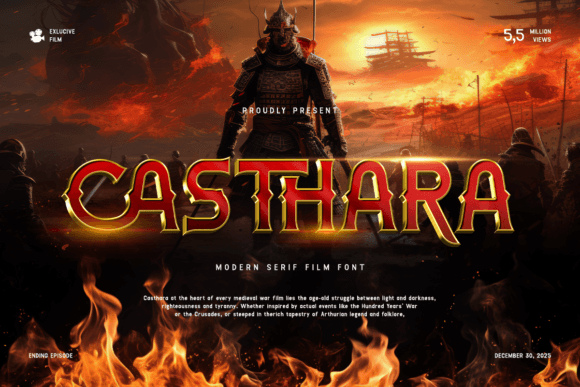
Casthara is not merely a font; it is an experience. Described accurately as a bold and cinematic typeface, it brings a touch of drama and sophistication to any project it touches. The design philosophy behind Casthara focuses on high-impact visuals. It is perfectly suited for movie titles, posters, and headers where the primary goal is to grab attention immediately. Its sleek and modern design, combined with a strong visual presence, makes it ideal for projects that demand attention and leave a lasting impression.
When we talk about "cinematic" typography, we refer to letters that evoke the grandeur of the silver screen. These fonts often feature wide stances, dramatic contrasts, and a sense of movement. Casthara embodies these traits, offering a polished aesthetic that feels both contemporary and timeless. For film enthusiasts and designers alike, this typeface serves as a powerful tool to convey emotion before a single word is read.
Key Characteristics and Features
To truly leverage Casthara in your workflow, it is essential to understand its technical and aesthetic features. Here are the core attributes that define this typeface:
- Bold Visual Weight: The font is designed with a heavy weight that ensures legibility even from a distance, making it perfect for large-format prints.
- Modern Aesthetics: Clean lines and geometric influences give Casthara a fresh, up-to-date look that resonates with contemporary audiences.
- PUA Encoding: One of the most user-friendly features of Casthara is its PUA (Private Use Area) encoding. This means you can access all of the cute glyphs, swashes, and alternate characters with ease, without needing complex software shortcuts.
- Versatility: While primarily a display font, its balanced proportions allow it to work across various media types, from print to digital screens.
The inclusion of PUA encoding is particularly noteworthy for designers who value efficiency. Instead of memorizing keystroke combinations to access special ligatures or decorative elements, you can simply select them from your glyph panel. This streamlines the creative process, allowing you to focus more on composition and less on technical hurdles.
Practical Applications in Real-World Scenarios
Understanding where to use Casthara is just as important as knowing what it looks like. Because it is a display font, it is not intended for long bodies of text. Instead, it shines in contexts where brevity and impact are key. Below are several scenarios where Casthara adds significant value.
Film and Entertainment Media
Naturally, given its name and style, Casthara Display Film Font is a go-to choice for the entertainment industry. It is exceptionally effective for:
- Movie Posters: The bold strokes ensure the title stands out against complex background imagery.
- Title Sequences: Its cinematic feel helps set the tone for films, documentaries, and series.
- Event Flyers: For film festivals, premieres, or theater productions, this font conveys prestige and excitement.
For example, imagine a thriller movie poster. Using Casthara for the title can instantly communicate tension and importance, drawing the viewer into the narrative before they even know the plot.
Branding and Marketing
Beyond cinema, Casthara is a powerful asset for brands that want to project confidence and luxury. High-end fashion labels, automotive companies, and tech startups often seek typography that feels premium and authoritative. Casthara’s sophisticated design allows it to fit seamlessly into these sectors. It can be used for:
- Logo design for boutique agencies.
- Headlines in digital advertising campaigns.
- Packaging design for premium products.
When used in marketing materials, the font helps create a hierarchy of information. By reserving Casthara for headlines and pairings it with a simpler sans-serif for body text, designers can guide the viewer’s eye effectively through the content.
Evaluating Suitability for Your Project
While Casthara is a versatile tool, it is not a one-size-fits-all solution. Before integrating it into your next project, consider the following factors to ensure it aligns with your goals.
Strengths and Advantages
The primary strength of Casthara lies in its ability to command attention. In a digital landscape saturated with content, standing out is crucial. The font’s strong visual presence ensures that your message is not overlooked. Additionally, its modern design prevents it from feeling dated, ensuring longevity in trends. The ease of accessing glyphs via PUA encoding also makes it a favorite among designers who need to add unique flourishes quickly.
Considerations and Limitations
However, there are limitations to keep in mind. As a display font, Casthara is not suitable for long paragraphs or small text sizes. Its intricate details and bold weight can become cluttered and hard to read if scaled down too much. Therefore, it should always be paired with a highly legible body font. Furthermore, because it has a strong personality, it may not suit brands aiming for a minimalist, understated, or playful vibe. It is best reserved for projects that require a sense of gravity, drama, or luxury.
Pairing Recommendations
To maximize the effectiveness of Casthara, consider pairing it with complementary typefaces. A light, neutral sans-serif works well to balance the heaviness of Casthara. Alternatively, a classic serif font can enhance the cinematic and sophisticated feel, creating a harmonious contrast between old-world elegance and modern boldness.
Maximizing Value for Creative Professionals
For creative professionals, the value of a font extends beyond its appearance. It includes usability, licensing, and the ability to enhance workflow. Casthara offers significant value in these areas. Its PUA encoding simplifies the design process, reducing the time spent on formatting special characters. This efficiency allows designers to take on more projects or spend more time refining creative concepts.
Moreover, investing in a high-quality display font like Casthara can elevate the perceived value of your work. Clients often associate professional, polished typography with high-quality services. By using a font that exudes sophistication, you subtly communicate professionalism and attention to detail.
Conclusion
In conclusion, Casthara is more than just a typeface; it is a strategic design element that can transform ordinary projects into extraordinary visual experiences. Its bold, cinematic nature makes it an ideal choice for movie titles, posters, and high-impact branding. With features like PUA encoding and a sleek, modern design, it offers both aesthetic appeal and practical usability.
Whether you are creating for print or digital media, Casthara Display Film Font adds a powerful and polished aesthetic to your work. By understanding its strengths and limitations, and by using it in appropriate contexts, you can harness its full potential to captivate your audience. For creative professionals and film enthusiasts alike, Casthara remains a compelling choice for those who wish to make a lasting impression.
If you are looking to add a touch of drama and sophistication to your next project, consider exploring how Casthara can fit into your design toolkit. Remember, the right font does not just display words; it tells a story.