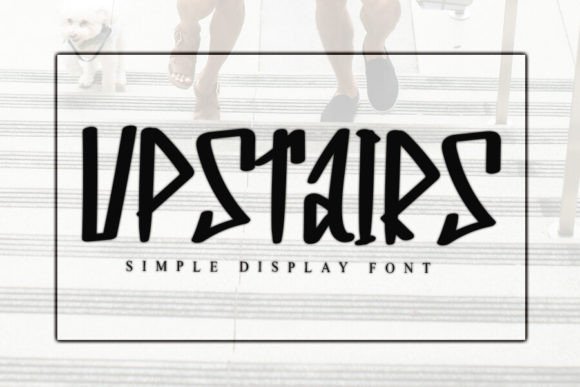
Upstairs: Redefining Display Typography for Modern Design
In the crowded landscape of digital and print media, typography serves as the silent ambassador of your brand. It is not merely about legibility; it is about personality, tone, and emotional resonance. Among the myriad of typefaces available today, Upstairs has emerged as a distinctive choice for designers who seek a balance between artistic flair and approachable warmth. This cool but friendly display font offers a natural and unique style that makes it incredibly fitting to a large pool of designs. Whether you are crafting a bold headline for a lifestyle blog or designing packaging for an artisanal product, the only limit is your imagination.
The relevance of a typeface like Upstairs lies in its versatility. In an era where visual attention spans are shrinking, designers need tools that capture interest instantly without sacrificing readability or brand integrity. Upstairs achieves this by blending structural uniqueness with organic curves, creating a visual rhythm that feels both contemporary and timeless. This article explores why this specific typographic style is gaining traction among professionals and how it can elevate your creative projects.
The Evolution of Display Fonts in Digital Media
Historically, display fonts were reserved for large-scale printing—posters, billboards, and newspaper headlines. They were designed to be seen from a distance, often sacrificing nuance for impact. However, the digital revolution has fundamentally changed how we interact with text. Today, display fonts appear on smartphone screens, social media feeds, and website headers, often at smaller sizes than their print predecessors. This shift has demanded a new kind of typography: one that retains character even when scaled down.
Upstairs fits seamlessly into this modern workflow. Its design acknowledges the constraints of digital screens while celebrating the freedom of artistic expression. Unlike rigid geometric sans-serifs that dominate corporate tech branding, Upstairs introduces a human touch. It reflects a broader trend in design where authenticity is valued over perfection. Users are increasingly drawn to brands that feel "real," and a font with natural irregularities and friendly proportions helps convey that message effectively.
Moreover, the rise of remote work and digital entrepreneurship has democratized design. Freelancers, small business owners, and content creators are now making high-stakes visual decisions without always having access to large creative teams. They need fonts that are easy to use yet powerful enough to stand out. Upstairs provides this solution by offering a plug-and-play aesthetic that requires minimal tweaking to look professional.
Why Natural Style Resonates with Modern Audiences
We live in a time of information overload. Consumers are bombarded with polished, airbrushed, and highly curated content daily. As a result, there is a growing fatigue toward overly sterile or aggressive design languages. People are craving connection, warmth, and relatability. This is where the "friendly" aspect of Upstairs becomes a strategic asset.
A friendly display font does more than just look nice; it lowers psychological barriers. When a user encounters a headline written in a typeface that feels inviting, they are more likely to engage with the content. This is particularly crucial for industries such as:
- Hospitality and Food: Restaurants and cafes use warm typography to suggest comfort and quality.
- Wellness and Lifestyle: Brands focusing on mental health, yoga, or self-care benefit from fonts that evoke calmness and approachability.
- Education and Non-Profits: Organizations aiming to build trust and community find that softer, natural fonts make their messaging more accessible.
Upstairs embodies this natural style through its subtle variations in stroke weight and organic terminal shapes. These details mimic the imperfections of hand-lettering without losing the consistency required for professional typesetting. The result is a font that feels crafted rather than manufactured, aligning perfectly with the current consumer preference for artisanal and authentic experiences.
Practical Applications for Creators and Businesses
Understanding the theoretical appeal of a font is one thing; applying it effectively is another. For professionals and entrepreneurs, integrating Upstairs into your design toolkit can enhance various aspects of your visual identity. Here are some practical ways to leverage its unique style:
Branding and Logo Design
Your logo is the cornerstone of your brand identity. While many businesses opt for safe, generic sans-serifs, using a distinctive display font like Upstairs can help you stand out in a saturated market. It works exceptionally well for brands that want to project creativity and openness. For instance, a boutique consulting firm might use Upstairs in its logotype to signal that it offers personalized, human-centric solutions rather than rigid, corporate advice.
Social Media Graphics
Social media platforms are visually driven environments where stopping the scroll is the primary goal. Upstairs is ideal for creating eye-catching quotes, announcement graphics, and story highlights. Its legibility ensures that your message is read quickly, while its style adds a layer of sophistication that elevates simple text posts into shareable content pieces.
Packaging and Print Materials
In the physical world, texture and tactile experience matter. Upstairs translates beautifully to print, especially on materials like kraft paper, textured cardstock, or matte finishes. Its natural style complements eco-friendly packaging designs, reinforcing messages of sustainability and organic quality. Whether it is a label for small-batch coffee beans or a brochure for a local art gallery, the font adds a layer of narrative depth to the physical object.
Navigating Trends Without Losing Timelessness
One of the biggest challenges in design is balancing trendiness with longevity. Many display fonts fall victim to fleeting fads, looking dated within a few years. Upstairs avoids this trap by grounding its uniqueness in classic typographic principles. While it feels current, it does not rely on gimmicks or extreme distortions that quickly go out of style.
This balance is essential for businesses that want to invest in their visual identity for the long term. By choosing a font that is both trendy enough to feel relevant and classic enough to endure, you reduce the need for frequent rebranding. This stability is valuable for building brand recognition and customer loyalty over time.
Furthermore, the flexibility of Upstairs allows it to adapt as trends evolve. It pairs well with a variety of secondary typefaces, from clean geometric sans-serifs to traditional serifs. This modularity means you can refresh your look by changing supporting elements while keeping Upstairs as the anchor of your brand’s voice.
Maximizing Impact with Strategic Pairing
To get the most out of Upstairs, it is important to understand how to pair it with other fonts. A display font should never do all the heavy lifting alone. Its role is to attract attention and set the tone, while body text handles the information delivery. Here are some recommendations for effective pairing:
- Contrast is Key: Since Upstairs has a distinct personality, pair it with a neutral, highly legible sans-serif for body copy. This creates a clear visual hierarchy and prevents the design from feeling chaotic.
- Maintain White Space: Display fonts thrive in open spaces. Do not crowd Upstairs with too many graphical elements. Let the letters breathe to maximize their impact.
- Use Sparingly: Reserve Upstairs for headlines, subheads, and short call-to-action buttons. Overusing a display font can dilute its effectiveness and strain the reader’s eyes.
By following these guidelines, you ensure that Upstairs enhances rather than overwhelms your design. The goal is to create a harmonious composition where every element serves a purpose.
Conclusion: Unlocking Creative Potential
Typography is a powerful tool for communication, and choosing the right font can significantly influence how your message is received. Upstairs offers a compelling blend of cool sophistication and friendly accessibility, making it a versatile asset for any designer’s toolkit. Its natural and unique style resonates with modern audiences who value authenticity and connection.
As you consider your next project, whether it is a new brand launch, a marketing campaign, or a personal creative endeavor, think about the emotional tone you wish to convey. If you aim to inspire, invite, and engage, Upstairs provides the perfect typographic foundation. Remember, the only limit is your imagination. By experimenting with this font and integrating it thoughtfully into your designs, you can create visuals that not only look beautiful but also speak directly to the hearts of your audience.
Embrace the shift towards more human-centered design. Let your typography reflect the values of your brand and the expectations of your users. With Upstairs, you are not just choosing a font; you are choosing a voice that is ready to be heard in today’s dynamic visual landscape.