Simple Family: Evaluating a Contemporary Calligraphy Font for Modern Design Projects
In the crowded landscape of digital typography, finding a typeface that balances artistic flair with functional readability is a persistent challenge for designers. Simple Family emerges as a compelling option in this space, positioning itself as a stylish display font with a contemporary atmosphere and impeccable form. Inspired by timeless classic calligraphy, it offers a bridge between traditional hand-lettering aesthetics and modern digital requirements. For professionals and hobbyists alike, understanding where this font fits within the broader ecosystem of design tools is essential before integrating it into a workflow.
This article explores the distinct characteristics of Simple Family, evaluates its practical applications, and compares its utility against other typographic approaches. By examining its technical features, such as PUA encoding, and its visual strengths, readers can make an informed decision about whether this resource aligns with their specific project needs.
Defining the Aesthetic: Where Tradition Meets Modernity
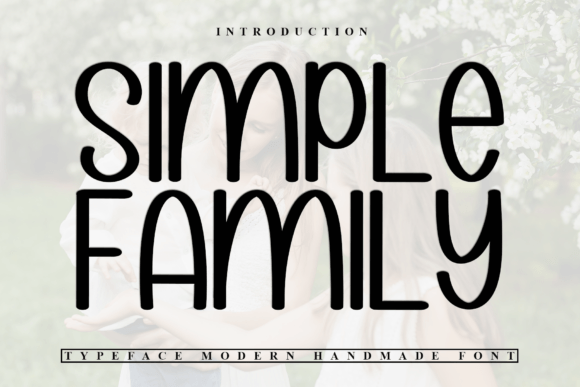
The core appeal of Simple Family lies in its ability to evoke the warmth of hand-written script while maintaining the precision of vector-based design. Unlike rigid serif or sans-serif fonts that prioritize uniformity, this typeface embraces variation. The strokes are balanced yet varied, mimicking the natural pressure changes of a nib pen. This "impeccable form" ensures that each character stands out individually while contributing to a cohesive visual rhythm when assembled into words.
What distinguishes Simple Family from generic script fonts is its contemporary atmosphere. Many calligraphy-inspired fonts lean heavily into ornate, Victorian-era styles that can feel dated or overly formal. In contrast, Simple Family strips away excessive flourishes, focusing on clean lines and open counters. This minimalism makes it versatile enough for modern branding, social media graphics, and lifestyle photography overlays, where clarity is just as important as style.
For designers evaluating options, it is crucial to recognize that this is primarily a display font. It is engineered to enhance the beauty of projects where text is viewed at larger sizes. Using it for body copy or long-form paragraphs would likely compromise readability, a limitation shared by most high-contrast script typefaces. Understanding this boundary is key to leveraging its strengths effectively.
Technical Advantages: The Role of PUA Encoding
Beyond visual appeal, the technical infrastructure of a font significantly impacts user experience. Simple Family is PUA (Private Use Area) encoded. For those unfamiliar with typographic terminology, this feature is a substantial quality-of-life improvement. PUA encoding allows users to access all amazing glyphs, ligatures, and alternate characters with ease, typically through standard keyboard shortcuts or character map tools, without requiring advanced software knowledge.
In practical terms, this means designers can quickly insert decorative swashes, connecting ligatures, or alternative letterforms to customize the look of their text. Without PUA encoding, accessing these features often requires navigating complex OpenType panels in professional design software, which can be a barrier for beginners or users working in simpler editing environments. This accessibility makes Simple Family a more inclusive choice for a wider range of creators, from seasoned graphic designers to small business owners managing their own marketing materials.
However, it is worth noting that while PUA encoding simplifies access, it does not replace the need for thoughtful composition. The availability of numerous glyphs should not lead to over-decoration. The best use of these features involves subtle enhancements that maintain the font’s inherent balance rather than overwhelming the viewer with excessive ornamentation.
Comparative Analysis: Simple Family vs. Alternative Approaches
When choosing a typeface, designers often weigh several categories: handwritten scripts, geometric sans-serifs, and traditional serifs. Here is how Simple Family compares to these alternatives:
- Vs. Handwritten Scripts: Authentic handwritten fonts often suffer from inconsistency in spacing and stroke weight. While this adds charm, it can create visual clutter. Simple Family offers the organic feel of handwriting but with the controlled consistency of a digital font, ensuring better legibility across different mediums.
- Vs. Geometric Sans-Serifs: Fonts like Helvetica or Futura are excellent for neutrality and corporate clarity but lack emotional resonance. Simple Family injects personality and warmth, making it superior for projects requiring a human touch, such as wedding invitations, boutique branding, or artisanal product labels.
- Vs. Traditional Calligraphy: Classic calligraphy fonts can appear stiff or overly formal. Simple Family’s contemporary twist makes it feel fresher and more approachable, suitable for modern audiences who value authenticity but dislike pretension.
The tradeoff here is versatility. While a geometric sans-serif might work for everything from a legal document to a tech startup logo, Simple Family is specialized. It excels in contexts where elegance and style are paramount but may struggle in environments requiring strict neutrality or high-density information display.
Best-Fit Use Cases and Practical Applications
To maximize the value of Simple Family, it should be deployed in scenarios that highlight its aesthetic strengths. Below are some ideal applications:
- Branding and Logotypes: For businesses in the lifestyle, beauty, or culinary sectors, the font’s elegant curves can convey sophistication and care. It works particularly well for monograms or short brand names.
- Social Media Graphics: In platforms like Instagram or Pinterest, where visual impact is immediate, Simple Family can draw attention to quotes, headlines, or promotional offers. Its readability at medium sizes ensures the message is clear even on small screens.
- Packaging Design: Product labels for handmade goods, candles, or gourmet foods benefit from the artisanal feel of the font. It suggests craftsmanship and quality, aligning with consumer expectations for premium, niche products.
- Event Stationery: Wedding invitations, birthday cards, and event programs are natural fits. The font’s romantic yet modern vibe appeals to contemporary couples and event planners looking for something beyond traditional cursive.
In each of these cases, the font acts as a visual anchor. It should be paired with simpler, complementary typefaces for supporting text. For instance, combining Simple Family with a clean, light-weight sans-serif for body text creates a harmonious hierarchy that guides the reader’s eye without causing fatigue.
Limitations and Decision Factors
No typeface is universally perfect, and recognizing the limitations of Simple Family is part of responsible design practice. Its primary constraint is readability at small sizes. The intricate details and varying stroke widths that make it beautiful at large scales can blur or disappear when reduced to footnotes or fine print. Therefore, it is not suitable for lengthy articles, legal disclaimers, or data-heavy interfaces.
Additionally, the "contemporary" nature of the font means it is subject to design trends. While inspired by timeless calligraphy, its specific styling may feel less appropriate for projects aiming for a strictly historical or ultra-minimalist aesthetic. Designers should consider the longevity of their project; if the goal is a timeless, neutral identity, a more conventional serif might be a safer long-term investment.
Another factor is licensing and usage rights. While the font’s technical features are robust, users must ensure their intended use complies with the license agreement, especially for commercial projects. This is a standard consideration for any digital asset but bears repeating for those new to typography procurement.
Making the Right Choice
Choosing Simple Family ultimately depends on the emotional tone and functional requirements of your project. If you need a typeface that communicates elegance, warmth, and modern sophistication, and if your application involves headlines, logos, or short-form text, this font is a strong contender. Its PUA encoding adds significant value by lowering the technical barrier to accessing its full creative potential.
However, if your project demands high-density text, strict neutrality, or extreme scalability down to very small sizes, you may need to look toward more utilitarian typefaces. The best design decisions are often hybrid ones: using Simple Family for its intended purpose as a display element while relying on robust, readable fonts for informational content.
By understanding both the artistic merits and practical constraints of Simple Family, designers can integrate it thoughtfully into their toolkit. It is not just a font; it is a design element that, when used correctly, enhances the narrative and visual appeal of your work. As with any creative resource, experimentation is key. Test the font in various contexts, pair it with different companions, and leverage its ligatures to find the unique voice that best serves your audience.