Paper Design: Elevating Visual Identity with Vertical Elegance
In the crowded landscape of digital and print media, typography serves as the silent ambassador of your brand. It is not merely about legibility; it is about emotion, hierarchy, and presence. Among the myriad of typefaces available to designers today, Paper Design has emerged as a distinctive choice for those seeking to make a bold, vertical statement. This font is not just a collection of letters; it is a design tool that leverages height and slender proportions to create immediate visual impact.
For creators, business owners, and marketing professionals, understanding the nuances of such a specialized typeface can be the difference between a design that blends in and one that stands out. This article explores the unique characteristics of Paper Design, its practical applications, and how to integrate it effectively into your creative projects.
The Aesthetic Philosophy of Height
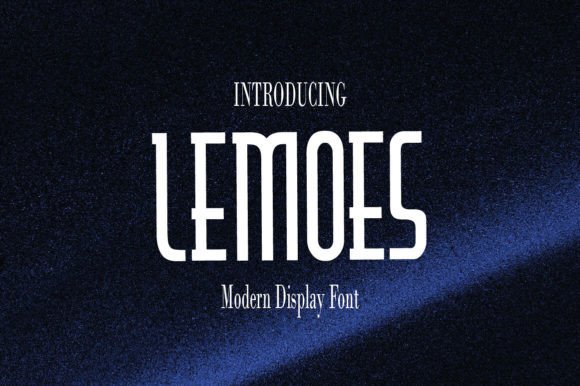
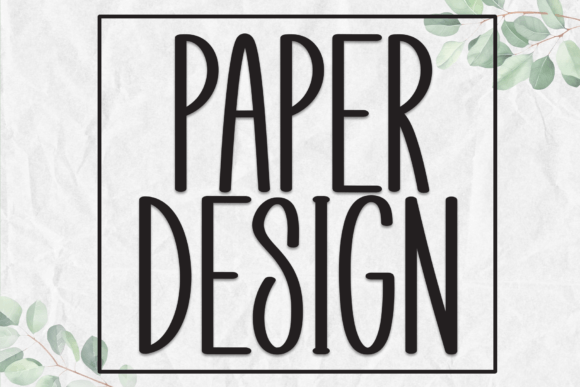
Paper Design is defined by its towering structure. Unlike traditional serif or sans-serif fonts that prioritize horizontal balance, this typeface stretches vertically, creating a sleek and slender silhouette. The letters are elongated, giving them a modern, almost architectural quality. This verticality is not accidental; it is a deliberate design choice intended to draw the eye upward and command attention.
The slim profile of the characters allows for a sophisticated minimalism. When you use Paper Design, you are opting for a look that feels contemporary and stylish. It avoids the heaviness of bold block letters while maintaining enough weight to be readable. This balance makes it particularly effective for headlines where space is limited vertically but impact is required horizontally.
Key Characteristics
- Tall Proportions: The most defining feature is the extended height of the glyphs, which creates a sense of elegance and grandeur.
- Slender Strokes: The thin lines contribute to a lightweight feel, preventing the text from appearing cluttered or oppressive.
- Modern Appeal: The clean lines and lack of ornate serifs align perfectly with current minimalist design trends.
- Bold Presence: Despite its thinness, the scale of the font ensures it remains prominent and eye-catching.
Strategic Applications in Real-World Projects
Knowing what a font looks like is only half the battle; knowing where to use it is where true design expertise comes into play. Paper Design is versatile, but it shines brightest in specific contexts. Its unique structure makes it ideal for projects that require a touch of luxury, modernity, or artistic flair.
Fashion and Lifestyle Branding
The fashion industry thrives on aesthetics and perception. Brands often seek typography that conveys exclusivity and high style. Paper Design fits this bill perfectly. Imagine a magazine cover for a high-end fashion quarterly. The title, set in Paper Design, stretches across the top, its slender letters mimicking the tall, poised models featured within. It suggests sophistication without shouting.
Similarly, lifestyle blogs and influencers can use this font for header images or quote graphics. It adds a curated, editorial feel to social media posts, helping content stand out in fast-scrolling feeds.
Corporate and Professional Headers
While often associated with creative industries, Paper Design also has a place in the corporate world, particularly for companies in architecture, interior design, or tech startups. These sectors value innovation and clean lines. Using Paper Design for presentation titles or annual report covers can signal a forward-thinking approach. It breaks away from the standard, safe corporate fonts, suggesting that the company is attentive to detail and design-conscious.
Event Invitations and Posters
For events such as art gallery openings, product launches, or modern weddings, the invitation sets the tone. Paper Design can be used to create striking posters where the event name dominates the visual field. Its height allows for dramatic scaling, turning text into a graphical element itself. When paired with ample white space, it creates an atmosphere of exclusivity and anticipation.
Evaluating Suitability: Is Paper Design Right for You?
Not every project benefits from a tall, slender font. Before committing to Paper Design, it is essential to evaluate your specific needs and constraints. Here are some considerations to help you decide.
- Readability at Small Sizes: Due to its slender strokes, Paper Design may lose clarity when scaled down significantly. It is best reserved for headlines, titles, and large display text rather than body copy or small captions.
- Contextual Harmony: Consider the other elements in your design. If your layout is already busy with complex graphics, the simplicity of Paper Design can provide a calming anchor. However, if paired with other intricate fonts, it might get lost or create visual conflict.
- Brand Personality: Does your brand value tradition and stability, or innovation and style? Paper Design leans towards the latter. It may not be the best fit for institutions that rely on historical gravitas, such as law firms or banks, unless used very sparingly.
Best Practices for Implementation
To maximize the effectiveness of Paper Design, follow these practical guidelines. These tips will help you avoid common pitfalls and ensure your typography enhances rather than detracts from your message.
Pairing with Complementary Fonts
Because Paper Design is so distinctive, it pairs well with more neutral, grounded typefaces. A classic sans-serif like Helvetica or a clean serif like Garamond can serve as an excellent companion for body text. This contrast ensures that while the headline grabs attention, the supporting information remains easy to read. Avoid pairing it with other display fonts that have similar vertical tendencies, as this can create a disjointed visual experience.
Utilizing White Space
The elegance of Paper Design is amplified by white space. Crowding the letters or placing them against a busy background can diminish their impact. Allow the tall letters to breathe. Increase line spacing (leading) slightly if using multi-line headlines to maintain the airy, sophisticated feel. This approach highlights the slender nature of the font and prevents it from appearing cramped.
Color and Contrast
Given its thin strokes, contrast is crucial. Paper Design works best in dark colors on light backgrounds or vice versa. Pastel-on-pastel combinations may cause the delicate lines to disappear. For a bold look, consider using deep black or navy blue. For a softer, more ethereal effect, try a dark gray on off-white. Always test your color choices to ensure legibility across different devices and printing methods.
Limitations and Technical Considerations
While Paper Design offers significant aesthetic value, it is important to acknowledge its limitations. As with any specialized tool, it is not a one-size-fits-all solution. Users should be aware that its unique shape may not render perfectly on all low-resolution screens. Additionally, because it is a display font, it lacks the extensive character sets sometimes found in comprehensive text families. This means it may not support certain special characters or languages, limiting its use in global campaigns without careful planning.
Furthermore, overuse can lead to diminishing returns. If every headline on a website uses Paper Design, the specialness fades, and the site may feel monotonous. Use it strategically for key messages, primary headers, or call-to-action buttons where you want to draw immediate focus.
Conclusion
Paper Design represents a compelling option for designers and content creators looking to inject modernity and elegance into their work. Its tall, slender form offers a fresh alternative to conventional typography, allowing for bold statements that are both stylish and impactful. By understanding its strengths and respecting its limitations, you can leverage this font to enhance your visual communication.
Whether you are designing a luxury brand identity, a modern event poster, or a sleek corporate presentation, Paper Design provides the vertical lift needed to capture attention. Remember, the goal of typography is not just to be seen, but to be felt. With its sleek lines and commanding height, Paper Design invites viewers to pause, look up, and engage with your content on a deeper level.
For more insights on typography trends and design resources, explore our design library or check out our guide on font pairing strategies. Making informed choices about your typeface selection is a small step that yields significant results in the overall success of your design projects.