Phase: The Friendly Display Font Redefining Approachable Digital Design
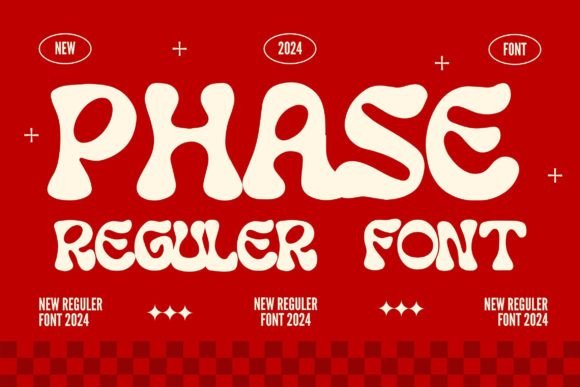
In the rapidly evolving landscape of digital typography, the demand for typefaces that communicate warmth and accessibility has never been higher. As brands and creators move away from sterile, corporate aesthetics, they are increasingly seeking tools that foster genuine human connection. Enter Phase, a cute and friendly display font that brings a playful touch to your designs. With rounded letterforms and a welcoming demeanor, it exudes approachability and warmth. Ideal for projects requiring a friendly and modern aesthetic, Phase adds a delightful and charming quality to your creative expressions.
This article explores why Phase is becoming a staple in modern design workflows, how it aligns with current consumer expectations, and practical ways to leverage its unique characteristics for maximum impact.
The Shift Toward Human-Centric Typography
For decades, the dominant trend in business and technology branding favored sharp, geometric sans-serifs that projected authority and efficiency. However, the digital marketplace has matured. Consumers are no longer impressed by cold perfection; they crave authenticity, empathy, and relatability. This cultural shift has precipitated a change in typographic preferences. Designers are now tasked with selecting fonts that do not just convey information, but also evoke emotion.
Phase sits squarely at the intersection of this trend. Its rounded terminals and soft curves mimic the organic nature of handwritten communication, bridging the gap between professional polish and personal touch. By choosing a typeface like Phase, designers signal to their audience that the brand is accessible, open, and ready to engage in a two-way conversation rather than a monologue.
Why Rounded Letterforms Matter
The psychology of shape plays a crucial role in how we perceive visual information. Sharp angles are often associated with danger or rigidity, while circles and curves are universally perceived as safe, friendly, and inclusive. Phase leverages this psychological principle through its consistent use of rounded letterforms. This is not merely an aesthetic choice; it is a strategic design decision that lowers cognitive barriers for the viewer.
When users encounter a interface or marketing material set in Phase, their immediate subconscious reaction is one of ease. This is particularly vital in industries such as healthcare, education, and child-focused products, where trust and comfort are paramount. The font’s welcoming demeanor ensures that the message is received without the friction of intimidation or complexity.
Integrating Phase into Modern Workflows
Adopting a new typeface is more than just changing a CSS property; it requires understanding where the font fits within the broader hierarchy of a design system. Phase is classified as a display font, which means it shines brightest when used for headlines, logos, pull quotes, and short-form content. It is not designed for long-body text, but its impact in prominent positions is undeniable.
Freelancers and agencies are finding that Phase simplifies the initial concepting phase. Because the font inherently carries so much personality, it reduces the need for excessive graphical embellishments. A simple layout paired with Phase can achieve a high level of visual interest, allowing designers to focus on whitespace, color theory, and imagery.
- Brand Identity: Use Phase for logo types to establish an immediate friendly tone.
- Social Media Graphics: Its legibility at various sizes makes it perfect for Instagram stories and Pinterest pins.
- Packaging Design: Adds a tactile, handcrafted feel to physical products.
- Web Headers: Creates a warm first impression on landing pages.
Meeting the Expectations of the Modern Consumer
Today’s consumers are sophisticated. They can distinguish between genuine brand personality and forced informality. This is where the quality of Phase becomes evident. It avoids the trap of looking childish or amateurish. Instead, it maintains a modern aesthetic that feels curated and intentional. This balance is critical for entrepreneurs and marketers who want to appear approachable without sacrificing credibility.
Consider the rise of direct-to-consumer (DTC) brands. These companies rely heavily on building community and trust directly with their customers. A font like Phase supports this narrative by making digital interactions feel less transactional and more relational. Whether it is an email newsletter header or a product description banner, the typography sets the stage for the user experience.
Furthermore, the versatility of Phase allows it to adapt to various cultural contexts. Its neutral yet charming character translates well across different demographics, making it a safe yet effective choice for global campaigns that aim for a universal sense of friendliness.
Practical Applications for Creators
To get the most out of Phase, it is essential to pair it thoughtfully with complementary typefaces. Since Phase is strong in personality, it pairs best with clean, neutral sans-serifs for body copy. This contrast ensures that the playful nature of the headlines does not overwhelm the readability of the main content.
- Contrast is Key: Pair Phase with a minimalist sans-serif to let the display font shine.
- Color Harmony: Use soft, pastel, or warm color palettes to enhance the friendly vibe of the rounded letters.
- Whitespace Management: Give Phase room to breathe. Crowding playful fonts can diminish their charm.
- Consistent Usage: Reserve Phase for key messaging to maintain its impact throughout the project.
For web developers, implementing Phase requires attention to loading performance and fallback fonts. Ensuring that the font renders quickly on mobile devices is crucial, as the friendly aesthetic must be preserved across all screen sizes. A delayed load can break the immersive experience, so optimizing font files is a necessary technical step.
The Future of Friendly Design
As we look toward the future of digital interaction, the importance of emotional design will only grow. Technologies such as voice interfaces and augmented reality are making digital experiences more immersive and personal. In this context, typography remains a foundational element of brand voice. Phase represents a forward-looking approach to design—one that prioritizes human connection over mechanical precision.
Entrepreneurs and creatives who adopt this mindset early will find themselves better positioned to build loyal communities. By using tools that embody warmth and approachability, they create environments where users feel valued and understood. This is not just about aesthetics; it is about building sustainable relationships in a crowded digital economy.
Moreover, the trend toward inclusivity in design benefits from typefaces like Phase. Its clear, open forms are generally easier to read for individuals with certain visual impairments or dyslexia, compared to highly stylized or condensed fonts. This accessibility aspect adds another layer of value, aligning with ethical design practices that are becoming standard in the industry.
Conclusion
In a world saturated with digital noise, standing out requires more than just being loud; it requires being likable. Phase offers a sophisticated solution for designers and brands seeking to inject warmth into their visual communications. By combining rounded letterforms with a modern structure, it meets the contemporary demand for authenticity and approachability.
Whether you are a freelancer crafting a personal portfolio, a marketer launching a new campaign, or an entrepreneur building a brand from the ground up, consider the emotional weight of your typography. Choosing Phase is a statement that you value connection, clarity, and charm. As design trends continue to evolve toward the human-centric, Phase stands as a testament to the power of friendly, thoughtful design.
For those ready to elevate their creative projects, integrating Phase into your toolkit is a practical step toward more engaging and effective communication. It is not just a font; it is a bridge between your brand and your audience, built on the foundation of warmth and welcome.