Bikebox: Evaluating a Playful Display Font for Branding and Design
In the crowded landscape of digital typography, selecting the right typeface is less about finding the most popular option and more about identifying the tool that best communicates a specific brand personality. Bikebox has emerged as a notable contender in the category of display fonts, particularly for designers seeking to inject energy and approachability into their visual projects. Characterized by its round, chubby letterforms and bold weight, this font offers a distinct aesthetic that diverges sharply from minimalist or corporate serif styles. Understanding where Bikebox fits within a design system requires an objective look at its features, usability, and ideal applications.
Understanding the Aesthetic of Bikebox
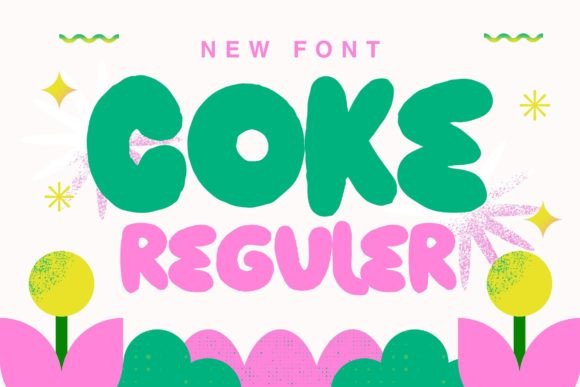
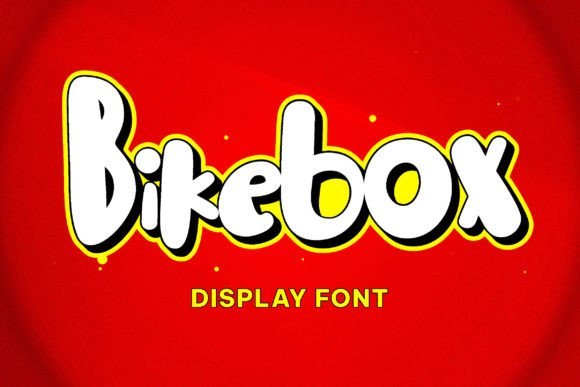
At its core, Bikebox is a display font designed to capture attention through softness and volume. Unlike sharp, angular typefaces that convey precision or authority, Bikebox exudes a sense of fun and informality. The rounded terminals and consistent stroke width create a cohesive, bubbly appearance that feels friendly and accessible. This design choice is intentional, aiming to lower barriers between the brand and the consumer by creating a cheerful and lively atmosphere.
The font’s bold style ensures high visibility, making it effective for headlines and short bursts of text where immediate impact is required. However, its playful nature means it carries significant semantic weight. When a viewer encounters Bikebox, they subconsciously associate the content with youthfulness, creativity, and ease. For brands aiming to project seriousness, luxury, or technical expertise, this inherent playfulness may present a mismatch. Therefore, evaluating Bikebox begins with aligning its tonal qualities with the intended message of the project.
Technical Features and Usability
Beyond its visual appeal, the practical utility of a font depends on its technical implementation. One of the key advantages of Bikebox is its PUA (Private Use Area) encoding. For designers who frequently work with custom glyphs, ligatures, and alternates, PUA encoding simplifies the workflow significantly. It allows users to access special characters and stylistic variations directly through standard keyboard shortcuts or character maps, rather than relying on complex OpenType feature settings in design software. This accessibility can streamline the creative process, enabling rapid experimentation with different looks without technical friction.
Before committing to a license, it is advisable to review the font’s preview files thoroughly. Checking the glyph set ensures that the specific characters needed for a project—such as multilingual support or specific punctuation—are available. While display fonts often have limited character sets compared to full text families, verifying compatibility early prevents disruptions during the final stages of design.
Ideal Applications for Bikebox
The strengths of Bikebox make it a strong fit for specific industries and use cases. Its primary value lies in branding and packaging for products that target younger demographics or emphasize enjoyment. Consider the following scenarios where this font excels:
- Food and Beverage Packaging: Brands selling snacks, candies, or casual drinks often benefit from typography that suggests taste and fun. Bikebox’s rounded forms can mimic the softness of certain textures, enhancing the sensory appeal of the packaging.
- Children’s Products and Education: For toys, educational apps, or children’s book covers, the friendly nature of the font helps create a safe and inviting environment. It avoids the intimidation factor of rigid, formal typography.
- Event Branding: Festivals, parties, and community gatherings require visuals that communicate excitement and inclusivity. Bikebox can serve as an effective headline font for posters and social media graphics related to these events.
- Creative Agency Logos: Studios that specialize in illustration, animation, or playful web design may use Bikebox in their own branding to signal their creative approach and willingness to break conventional rules.
In these contexts, the font acts not just as text, but as a visual element that reinforces the brand’s core values of joy and accessibility.
Limitations and Tradeoffs
While Bikebox offers distinct advantages for playful designs, it is not a universal solution. Designers must consider several tradeoffs before integrating it into a project. First, as a display font, it is optimized for large sizes. Using Bikebox for body text or long paragraphs can lead to readability issues. The thick strokes and tight spacing, which contribute to its bold look at large scales, can become cluttered and difficult to parse at smaller sizes. It is best reserved for headlines, logos, and short call-to-action buttons.
Secondly, the specific aesthetic of Bikebox may limit its longevity in certain markets. Trends in typography shift, and highly stylized display fonts can sometimes date a design more quickly than neutral sans-serifs. Brands seeking a timeless, evergreen identity might find the pronounced personality of Bikebox too restrictive. Additionally, if a brand needs to communicate across diverse tones—such as issuing serious press releases alongside playful marketing campaigns—Bikebox may lack the versatility required for such a broad range of communications.
Comparing Alternatives
When evaluating Bikebox, it is helpful to consider alternatives that offer similar or contrasting traits. If the goal is playfulness but with greater legibility at smaller sizes, a humanist sans-serif with rounded edges might be a more flexible choice. These fonts often retain a friendly tone while offering a complete family of weights suitable for both headers and body text.
Conversely, if the objective is boldness without the playful connotation, geometric sans-serifs provide a strong, modern presence that feels more structured and professional. Designers should ask whether the "chubby" aesthetic is essential to the brand story or if a cleaner bold font would achieve the desired visibility without limiting the brand’s perceived maturity.
Making the Decision
Choosing Bikebox ultimately depends on the specific goals of the design project. It is an excellent tool for creating immediate emotional connections through warmth and energy. Its PUA encoding adds practical value for designers who enjoy customizing their typography. However, its effectiveness is bounded by its specialized nature. It is not a substitute for a comprehensive text family but rather a complementary asset for specific visual highlights.
For those researching typography options, the recommendation is to test Bikebox in context. Place it alongside potential pairing fonts, view it at various sizes, and assess whether its playful tone aligns with the brand’s long-term strategy. By balancing its aesthetic strengths against its functional limitations, designers can determine if Bikebox is the right fit for their creative needs. When used appropriately, it serves as a powerful vehicle for conveying joy, making it a valuable addition to the toolkit of designers focused on lifestyle, entertainment, and consumer goods.