Coke: Integrating a Playful Display Font into Professional Design Workflows
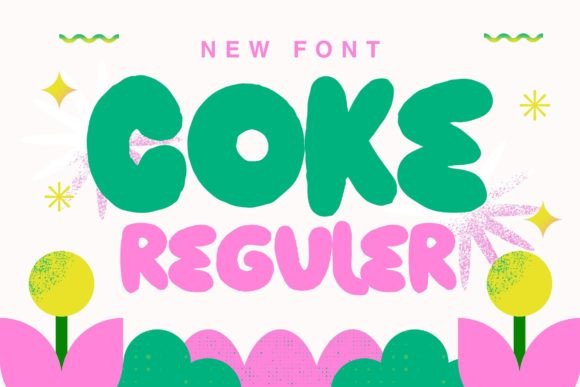
In the landscape of digital typography, finding a typeface that balances personality with professional utility is often a challenge for designers and content creators. Coke emerges as a solution in this niche, offering a cute and friendly display font that brings a playful touch to your designs. With rounded letterforms and a welcoming demeanor, it exudes approachability and warmth. However, integrating such a distinctive aesthetic into a broader creative workflow requires more than just selecting a file from a library. It demands an understanding of where this specific visual language fits within the hierarchy of communication, how it interacts with other design elements, and how it can be leveraged to enhance user engagement without compromising readability or brand consistency.
For professionals ranging from marketing managers to freelance graphic designers, the selection of a display font is a strategic decision. It sets the tone before a single word of body copy is read. When you choose Coke, you are opting for a modern aesthetic that signals openness and charm. This article explores the practical implementation of this typeface, examining its role in various stages of the design process, from initial concepting to final asset delivery.
Understanding the Role of Display Typography in Brand Communication
Before diving into technical implementation, it is essential to understand the functional role of a display font like Coke. Unlike sans-serif or serif bodies designed for long-form reading, display fonts are engineered for impact at larger sizes. They serve as the visual hook. In a typical project workflow, the choice of display typography occurs during the branding or conceptual phase. This is where you define the emotional resonance of the piece. Coke, with its rounded terminals and soft curves, naturally aligns with brands or projects that wish to appear accessible, youthful, and non-threatening.
This makes it particularly effective for industries such as education, children’s products, lifestyle blogging, and community-focused startups. When planning a campaign or a new product launch, consider whether the core message benefits from a sense of whimsy. If the goal is to lower barriers to entry and make complex information feel manageable, the welcoming demeanor of Coke can act as a psychological bridge between the brand and the audience. It transforms sterile information into something inviting.
Pre-Production: Compatibility and Asset Preparation
Integrating any new font into an existing ecosystem requires careful preparation. Before applying Coke to live projects, assess its compatibility with your current design stack. Most modern design platforms, including Adobe Creative Cloud, Figma, and Canva, support standard font formats such as OTF and TTF. Ensure that the license you acquire covers your intended use cases, whether that be web embedding, print media, or commercial merchandise.
During the pre-production phase, it is also crucial to establish a typographic hierarchy. Coke is not designed for body text. Its strength lies in headlines, subheaders, call-to-action buttons, and short labels. Pairing it with a neutral, highly legible sans-serif font for body copy creates a balanced composition. For example, pairing Coke with a clean geometric sans ensures that the playfulness of the header does not distract from the clarity of the informational content. This contrast is vital for maintaining professional standards while injecting personality.
- License Verification: Confirm usage rights for web, print, and app integration.
- Pairing Strategy: Select a complementary body font that offers high readability.
- Weight Selection: Determine which weights of Coke are necessary for your specific layout needs.
Implementation in Digital and Print Workflows
Once the foundational decisions are made, the actual application of Coke varies depending on the medium. In web design, performance and loading times are critical considerations. If you are using Coke on a website, ensure that the font files are optimized. Subsetting the font to include only the characters you need can significantly reduce file size, improving page load speeds without sacrificing the visual quality. This technical attention to detail ensures that the charming quality of the font does not come at the cost of user experience.
In print workflows, such as packaging design or brochure creation, the physical properties of the ink and paper interact with the rounded letterforms of Coke. The thick strokes and open counters of the font generally hold up well in printing, but it is advisable to conduct test prints. Check for ink spread, which can sometimes blur the fine details of rounded edges. Adjusting tracking and leading slightly can help maintain the airy, welcoming feel of the typeface even when transferred to physical media.
For social media graphics, where attention spans are short, Coke serves as an excellent tool for stopping the scroll. Its distinct shape stands out against the rigid grid structures of most social feeds. When creating templates for Instagram stories or Pinterest pins, use Coke for key phrases or emotional hooks. Keep the text brief to maximize impact. The font’s inherent friendliness encourages interaction, making it ideal for polls, questions, and community engagement posts.
Maintaining Consistency Across Multiple Channels
One of the biggest challenges in multi-channel marketing is maintaining visual consistency. When Coke becomes part of your brand identity, it must be applied uniformly across all touchpoints. This includes email newsletters, presentation decks, website banners, and physical signage. Create a style guide that specifies exactly how and when to use Coke. Define minimum sizes, acceptable color combinations, and clear space requirements around the logo or headlines.
Consistency builds recognition. Over time, your audience will associate the specific curvature and weight of Coke with your brand’s voice. This association is powerful. It allows you to communicate tone instantly. However, inconsistency can dilute this effect. If Coke is used haphazardly—sometimes too small, sometimes paired with clashing fonts—the perceived professionalism of the brand suffers. Establishing strict guidelines ensures that the delightful and charming quality of the font remains a strength rather than becoming a source of visual noise.
Practical Tips for Long-Term Usability
To ensure that Coke remains a valuable asset in your toolkit over the long term, consider how it evolves with your projects. As trends shift, purely decorative fonts can sometimes feel dated. However, because Coke relies on fundamental shapes and a clean, modern aesthetic, it has a degree of timeless appeal. To keep it fresh, experiment with color and layout rather than changing the font itself. The rounded forms of Coke interact beautifully with pastel palettes as well as bold, primary colors, offering versatility in visual expression.
Additionally, organize your font files meticulously. As your library grows, having a structured system for storing and accessing your typefaces saves time. Tag Coke with relevant keywords such as "friendly," "display," "rounded," and "modern" in your asset management software. This ensures that when a new project arises requiring a warm and approachable tone, you can quickly locate and deploy the appropriate resource.
- Audit Current Assets: Review existing materials to identify where Coke can replace generic headers.
- Update Templates: Modify master templates in design software to include Coke as the default display font.
- Train Team Members: Ensure all collaborators understand the proper usage guidelines to maintain brand integrity.
- Monitor Performance: Track engagement metrics on digital assets to see if the new typography influences user behavior positively.
Enhancing User Experience Through Typographic Choice
Ultimately, the goal of using a font like Coke is to enhance the overall user experience. Typography is not merely decoration; it is a functional element of interface design. By choosing a typeface that exudes approachability, you reduce cognitive load for the reader. A friendly font makes the content feel less intimidating and more conversational. This is particularly important in educational contexts or when explaining complex services. The visual warmth of Coke can make the difference between a user feeling overwhelmed and feeling guided.
When implementing Coke, always prioritize accessibility. Ensure sufficient contrast between the text color and the background. While the font is playful, it must remain legible for users with visual impairments. Test your designs with accessibility tools to verify that the rounded letterforms do not compromise character distinction. By balancing aesthetic appeal with functional clarity, you create designs that are not only beautiful but also inclusive and effective.
In conclusion, Coke is more than just a set of letters; it is a strategic design tool that adds a delightful and charming quality to your creative expressions. By understanding its strengths, preparing your workflow for its integration, and maintaining consistency in its application, you can leverage this typeface to build stronger connections with your audience. Whether you are designing a new brand identity, updating a website, or creating social media content, the thoughtful use of Coke can elevate your work from standard to standout, ensuring that your message is received with the warmth and friendliness you intend.