Why Mickey Ground Is the Whimsical Display Font Your Designs Have Been Missing
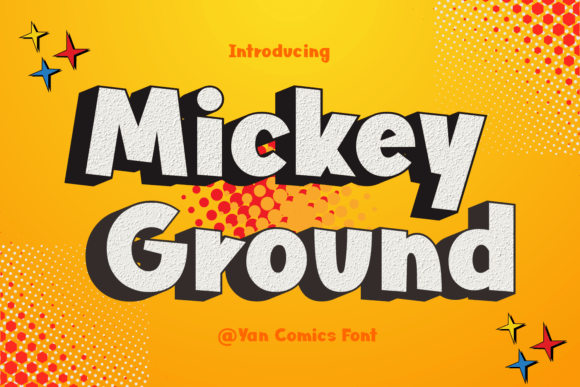
Choosing the right typeface is often the difference between a design that feels flat and one that truly sings. When you are working on projects that require personality, warmth, or a touch of nostalgia, standard sans-serifs simply will not cut it. This is where Mickey Ground enters the conversation. It is a cute and charming display font that brings a whimsical, slightly quirky energy to any layout. However, many designers and content creators make critical errors when integrating playful typography into their work. Understanding how to use this specific style correctly can save you from redesigns and ensure your message lands with the intended impact.
The Trap of Overusing Playful Typography
The most common mistake beginners and even some seasoned marketers make is assuming that because a font is fun, it should be used everywhere. Mickey Ground is designed as a display font. This means it is optimized for headlines, logos, short quotes, and emphasis—not for body text. When you attempt to use it for long paragraphs, readability plummets. The quirky curves and unique character shapes that make it charming at large sizes become visual noise at small sizes.
To avoid this, pair Mickey Ground with a clean, neutral sans-serif or a highly legible serif for your main content. Let the display font do the heavy lifting in grabbing attention, while the secondary font handles the information delivery. This contrast creates a professional hierarchy that guides the eye naturally. If you ignore this rule, your audience may feel overwhelmed rather than engaged, leading to higher bounce rates on websites or ignored materials in print.
Misjudging the Tone and Audience Fit
Another frequent oversight is misaligning the font’s personality with the brand’s core message. While Mickey Ground is undeniably bright and cheerful, it is not suitable for every context. Using it for a law firm’s annual report or a medical device manual would create a cognitive dissonance that undermines trust. The font exudes approachability and joy, making it perfect for children’s products, bakeries, creative agencies, event invitations, and lifestyle blogs.
Before downloading or purchasing, ask yourself: Does my brand voice allow for quirkiness? If your goal is to appear authoritative, serious, or minimalist, this typeface will work against you. However, if you are an entrepreneur looking to humanize your brand or a blogger wanting to add warmth to your headers, it is an excellent choice. Always check your brand guidelines before applying such a distinct stylistic element.
Ignoring Technical Legibility and Spacing
Display fonts often have unique spacing requirements that differ from standard system fonts. A significant error users make is leaving the default tracking (letter-spacing) and leading (line-height) settings unchanged. Because Mickey Ground has rounded, organic shapes, it can appear cramped if not given enough breathing room. Conversely, too much space can disconnect the letters, breaking the word’s visual unity.
When using this font, experiment with slight adjustments to tracking. Often, adding a small amount of positive tracking can enhance clarity without losing the cohesive look. Additionally, ensure that your line height is generous enough to prevent the ascenders and descenders from colliding with adjacent lines. These small technical tweaks significantly improve the perceived quality of your design. Neglecting them makes even the most beautiful font look amateurish and unpolished.
Overlooking Color and Background Contrast
The charm of Mickey Ground relies heavily on its soft, rounded edges. Placing it against busy backgrounds or using low-contrast color combinations can obscure these details. A common pitfall is using light pastel colors for the font on a white or light gray background. While this might look subtle, it fails accessibility standards and strains the reader’s eyes.
For best results, use high-contrast pairings. Dark charcoal or deep navy text on a cream or white background allows the quirks of the font to shine. If you must use it on a colored background, ensure the hue provides sufficient contrast. Test your designs on multiple devices and lighting conditions. Remember, accessibility is not just a legal requirement; it is a fundamental aspect of good user experience. If your audience cannot read your headline easily, they will not stick around to read the rest.
Confusing Personal Use with Commercial Licensing
Many creators download free versions of fonts without reading the license agreement, only to face legal issues later. Whether you are a freelancer, a small business owner, or a hobbyist, you must verify the licensing terms for Mickey Ground. Some fonts are free for personal projects but require a paid license for commercial use, including client work, merchandise, or monetized social media content.
Always check the foundry’s website or the platform where you downloaded the font. Look for specific clauses regarding web embedding, app integration, and print runs. Investing in the proper license protects your business from costly cease-and-desist letters and supports the type designers who spend hours crafting these characters. It is a small cost that ensures peace of mind and ethical practice in your creative workflow.
Neglecting Hierarchy in Multi-Font Layouts
When incorporating a distinctive font like Mickey Ground, it is tempting to use multiple weights or styles if available, or to mix it with other decorative fonts. This often leads to a cluttered design. Stick to one decorative font per project. If you need variation, use size, weight, and color rather than introducing a second display typeface.
For example, use Mickey Ground for your primary headline, a bold sans-serif for subheaders, and a regular sans-serif for body text. This three-tier system is simple, effective, and visually pleasing. It allows the whimsical nature of the display font to stand out without competing for attention. By maintaining strict hierarchy, you ensure that your design communicates clearly and professionally, regardless of how playful the elements may be.
Final Checks Before Finalizing Your Design
Before you export or publish your work, take a step back. View your design at actual size. Does the font remain legible? Does the tone match the message? Have you checked for orphaned words or awkward line breaks caused by the font’s unique spacing? These final quality control steps are essential. Mickey Ground is a powerful tool for adding brightness and character to your projects, but like any tool, it requires skillful handling. By avoiding these common pitfalls, you can confidently add this charming typeface to your toolkit and love the results it brings to your creative endeavors.