Stela: Why This Sans Serif and Graffiti Font Duo Works for Modern Branding
Choosing the right typeface is often the most overlooked step in a design project. We spend hours picking color palettes and curating images, yet we settle for default fonts because finding something that feels both professional and unique is exhausting. This is where Stela changes the game. It isn’t just another font file you download and forget; it is a strategic design tool that bridges the gap between rigid structure and expressive freedom.
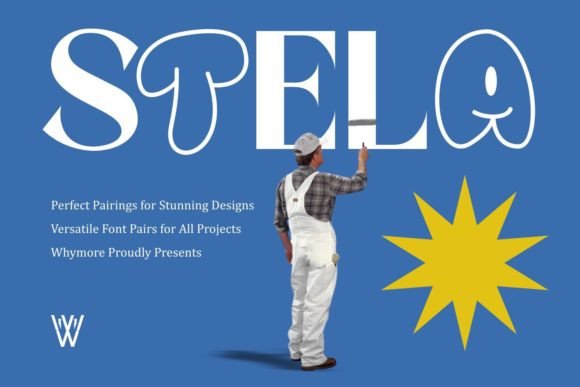
At its core, Stela is a font duo that pairs a clean, modern Sans Serif with a bold, artistic Graffiti style. This combination might sound contradictory on paper—how can minimalism and street art coexist? But in practice, this contrast creates a visual tension that grabs attention without overwhelming the viewer. For creators, entrepreneurs, and small business owners, understanding how to leverage this specific blend of styles can elevate branding initiatives, social media graphics, and printed materials from generic to memorable.
The Psychology Behind the Pairing
To use Stela effectively, you need to understand why this specific pairing works. The Sans Serif component provides clarity, readability, and a sense of trust. It tells your audience, "We are professional, organized, and reliable." The Graffiti element, on the other hand, injects personality, energy, and a dash of daring creativity. It says, "We are human, approachable, and not afraid to stand out."
When you use these two styles together, you avoid the pitfalls of using either one in isolation. A purely graffiti-based design can feel chaotic or hard to read, potentially alienating conservative clients. A purely sans-serif design can feel cold or corporate, failing to connect emotionally with a younger or more creative demographic. Stela offers a symphonic fusion that strikes the perfect balance, making it an ideal choice for brands that want to appear established yet fresh.
Real-World Applications for Entrepreneurs and Marketers
So, where does this font duo actually shine? Let’s look at specific scenarios where Stela adds tangible value to your work.
Branding and Identity Packages
If you are launching a new coffee shop, a boutique fitness studio, or a creative agency, your logo needs to do heavy lifting. Using the Graffiti style for the main brand name creates an instant visual hook, while the Sans Serif can be used for taglines or subheaders. For example, a skateboard shop might use the gritty texture of the graffiti font for its name to appeal to core enthusiasts, but switch to the clean sans serif for its website navigation and product descriptions to ensure usability. This duality allows you to target niche audiences without sacrificing broader accessibility.
Social Media and Digital Marketing
In the fast-scrolling world of Instagram and TikTok, you have less than three seconds to capture attention. Text overlays on videos or static posts need to be punchy. Stela allows you to create headlines that pop. Imagine a promotional graphic for a weekend workshop. You could use the bold Graffiti font for the word "CREATE" to evoke energy, and the Sans Serif for the details like date and time. This hierarchy guides the eye naturally, ensuring the most important information is seen first while maintaining an aesthetically pleasing layout.
Event Invitations and Print Collateral
For wedding planners, event coordinators, or anyone sending out invitations, the tone is everything. A standard formal invitation can feel stiff, while a fully casual one might seem disrespectful. Stela offers a middle ground. Use the elegant, minimalist Sans Serif for the body text and essential details to maintain readability and class. Then, use the Graffiti style sparingly for the couple’s names or the event theme title. This approach works particularly well for modern weddings, gallery openings, or launch parties where the vibe is chic but relaxed.
Educational and Creative Uses
Beyond commercial applications, Stela is a fantastic resource for educators and hobbyists. Teachers creating classroom posters or digital lesson slides can use the font duo to make learning materials more engaging. The Graffiti style can highlight key concepts or vocabulary words, making them stick in students' minds, while the Sans Serif ensures that long paragraphs of instructional text remain easy to read. This is especially effective for subjects like art history, literature, or social studies, where connecting with students on a cultural level is key.
Freelance designers and publishers will also find Stela invaluable for book covers and magazine layouts. A thriller novel might use the jagged edges of the graffiti font to suggest danger, paired with a clean sans serif for the author’s name to maintain professionalism. This versatility means you don’t need to buy five different font families to cover various projects; Stela acts as a comprehensive toolkit within a single purchase.
What to Consider Before You Download
While Stela is versatile, it is not a one-size-fits-all solution for every context. Before integrating it into your next project, consider the following practical points:
- Readability at Small Sizes: The Graffiti component is designed for impact, not necessarily for tiny text. Avoid using the stylized letters for footnotes, legal disclaimers, or dense body copy. Stick to the Sans Serif for any text smaller than 12 points.
- Brand Alignment: Ask yourself if the "daring creativity" of the graffiti style aligns with your brand values. If you are a law firm or a medical provider, the graffiti element might be too informal. However, for lifestyle brands, tech startups, or creative services, it is likely a perfect fit.
- Color Contrast: Because the Graffiti font has complex shapes and varying stroke widths, it requires high contrast against the background to remain legible. Avoid placing it over busy images or low-contrast colors. Solid backgrounds or simple gradients work best.
- Licensing Requirements: Always check the license agreement. If you are using Stela for a client’s commercial project, ensure you have the appropriate commercial license. Many font creators offer different tiers for personal versus commercial use, and respecting these terms protects you and your clients from legal issues.
Making the Most of Your Design Toolkit
Integrating Stela into your workflow is about more than just installing a file. It is about adopting a mindset that values both structure and expression. When you open your design software, experiment with layering these two styles. Try overlapping them slightly for a dynamic effect, or use them in contrasting colors to create depth. The key is to let the Sans Serif ground the design while allowing the Graffiti font to provide the emotional spark.
For bloggers and content creators, this font duo can also enhance your website’s typography. Use the Sans Serif for your blog posts to ensure a comfortable reading experience, but switch to the Graffiti style for category headers or call-to-action buttons. This subtle shift keeps the user engaged and reinforces your site’s unique visual identity without compromising usability.
Ultimately, Stela represents a shift away from safe, boring design choices. It acknowledges that modern audiences crave authenticity and visual interest. By combining the timeless allure of minimalism with the bold energy of street art, it provides a flexible foundation for a myriad of contemporary designs. Whether you are designing a calendar, an advertising collateral, or a personal portfolio, this font duo gives you the tools to communicate clearly while standing out confidently.
Remember, the best design solutions are those that solve problems while delighting the eye. Stela does both by offering a ready-made harmony between order and chaos. As you explore its possibilities, focus on the message you want to convey and let the font’s inherent character amplify that message. With thoughtful application, Stela can become a cornerstone of your creative arsenal, helping you produce work that is not only seen but remembered.