Relaxed Response: Elevating Brand Identity Through Bold and Authentic Typography
In the crowded digital landscape of modern branding, typography is no longer just a vessel for text; it is a primary vehicle for emotional connection and brand recognition. Among the myriad of typefaces available to designers today, Relaxed Response has emerged as a distinctive choice for those seeking to blend boldness with authenticity. This modern display font offers a unique visual language that resonates across diverse industries, from high-energy esports teams to artisanal lifestyle brands. Understanding how to leverage such a specific typographic tool requires more than just aesthetic appreciation; it demands a strategic approach to visual communication.
The Anatomy of Modern Display Fonts
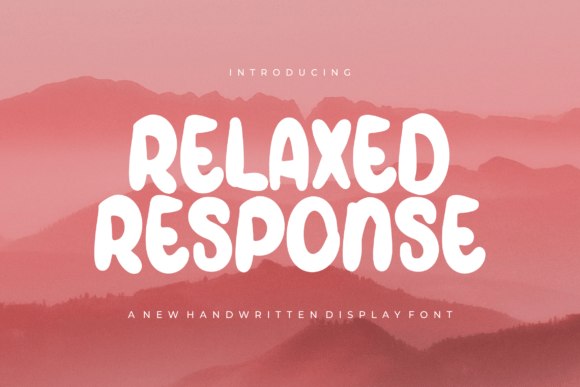
To fully appreciate the utility of Relaxed Response, one must first understand the role of display fonts in contemporary design. Unlike body text fonts, which are engineered for readability at small sizes and long passages, display fonts are designed to command attention. They are the headlines, the logos, and the statement pieces. A font like Relaxed Response is characterized by its thick strokes, confident curves, and distinct personality. It does not whisper; it speaks with clarity and intent.
The "modern" aspect of this font family refers to its clean lines and lack of unnecessary ornamentation, while "bold and authentic" suggests a human touch that avoids the sterile perfection of purely geometric sans-serifs. This balance is crucial. In an era where consumers are increasingly skeptical of overly polished corporate imagery, authenticity in design signals transparency and relatability. When a brand chooses a typeface that feels both strong and approachable, it sets the tone for the entire customer experience.
Strategic Applications in Branding Projects
The versatility of Relaxed Response allows it to excel in a wide range of contexts. However, its impact is most profound when applied strategically to specific branding elements. Here are several key areas where this font shines:
Logo Design and Visual Identity
A logo is the cornerstone of brand identity. Using a bold display font like Relaxed Response ensures that the brand name is legible even at a distance or on small mobile screens. The weight of the font provides a solid foundation for iconography, allowing designers to pair simple symbols with heavy typography without the text getting lost. For startups and rebranding initiatives, this font offers a fresh look that feels established yet contemporary.
Apparel and Merchandise Printing
In the world of fashion and merchandise, typography often serves as the primary graphic element. T-shirt printing, in particular, benefits from fonts that have a strong presence. Relaxed Response works exceptionally well here because its bold structure holds up against the texture of fabric. Whether screen-printed on cotton or embroidered on caps, the clear shapes of the letters maintain their integrity. This makes it a favorite for streetwear brands that rely on text-heavy designs to convey attitude and community belonging.
The Esports and Gaming Industry
The esports sector thrives on energy, competition, and digital flair. Teams and gaming organizations need visuals that pop on streaming overlays, tournament banners, and social media thumbnails. The dynamic nature of Relaxed Response aligns perfectly with the fast-paced environment of gaming. Its modern aesthetic fits seamlessly into digital interfaces, while its boldness ensures that team names stand out amidst the visual noise of live streams and highlight reels. It conveys strength and precision, qualities that gamers value highly.
Enhancing Readability and User Experience
While display fonts are primarily decorative, their impact on user experience (UX) cannot be overlooked. When used correctly, Relaxed Response can guide the viewer’s eye and create a hierarchy of information. Because it is so distinct, it should be used sparingly. Best practices suggest limiting its use to headers, titles, and short call-to-action buttons. Using it for long paragraphs would strain the reader’s eyes and reduce comprehension.
Designers often pair bold display fonts with neutral, highly readable sans-serif or serif fonts for body copy. This contrast creates a visual rhythm that keeps the audience engaged. For example, a website landing page might feature a massive headline in Relaxed Response to capture immediate interest, followed by concise explanatory text in a lighter, simpler font. This combination ensures that the brand’s personality is front and center without sacrificing usability.
Psychological Impact of Bold Typography
Typography influences perception on a subconscious level. Bold fonts are associated with confidence, stability, and authority. When a consumer sees a brand using a typeface like Relaxed Response, they may perceive the company as trustworthy and decisive. This is particularly important for businesses in competitive markets where establishing credibility quickly is essential.
Furthermore, the "authentic" quality of the font adds a layer of warmth. It suggests that behind the bold exterior is a human element, a story, or a craft. This duality is powerful. It allows brands to appear strong without being intimidating, and professional without being cold. For educators and creators, this balance helps in building communities where followers feel both inspired and welcomed.
Implementation Considerations for Designers
Integrating Relaxed Response into a design project requires careful consideration of spacing, color, and context. Here are some practical tips for maximizing its effectiveness:
- Kerning and Tracking: Bold fonts often require adjusted letter spacing to ensure that characters do not appear cramped. Increasing tracking slightly can enhance legibility and give the design a more premium feel.
- Color Contrast: Due to its heavy weight, this font works best with high-contrast color combinations. White text on a dark background or vice versa ensures maximum impact. Avoid using it in low-contrast scenarios where the thick strokes might blur together.
- Scale and Proportion: Do not be afraid to go big. Display fonts are meant to be seen. Using Relaxed Response at a large scale can create dramatic visual interest, especially in poster design or web heroes.
- Contextual Harmony: Ensure that the mood of the font matches the message. While versatile, it leans towards modern and energetic. It may not be the best fit for traditional, heritage-focused brands that require serif fonts to convey history and tradition.
The Future of Display Typography in Digital Media
As digital screens become higher resolution and more prevalent, the demand for distinctive typography continues to grow. Brands are moving away from generic system fonts in favor of custom or unique licensed fonts that offer a competitive edge. Relaxed Response represents this shift towards personalized visual identities. It is not just a font; it is a design asset that contributes to brand equity.
Moreover, the rise of motion graphics and video content opens new avenues for display fonts. Animated typography is becoming a standard part of social media marketing. The bold structures of Relaxed Response make it ideal for animation, as the letters have enough mass to move dynamically without losing their shape. Designers can experiment with kinetic typography, bringing the static boldness of the font to life in engaging ways.
Conclusion: Choosing Authenticity in Design
Selecting the right typeface is one of the most critical decisions in any branding project. Relaxed Response offers a compelling option for those who wish to project confidence, modernity, and authenticity. Whether you are designing a logo for a new esports team, printing t-shirts for a local event, or crafting a digital campaign for a global audience, this font provides the visual weight and character needed to stand out.
By understanding its strengths and applying it with strategic intent, designers and business owners can create memorable experiences that resonate with their audience. In a world saturated with visual information, choosing a bold and authentic voice through typography is not just a design choice; it is a business strategy. Embrace the power of display fonts to tell your story clearly, confidently, and creatively.