Plancing: Injecting Whimsy and Edge into Modern Typography
Choosing the right typeface is often the difference between a design that blends into the background and one that demands attention. In a digital landscape saturated with clean sans-serifs and traditional serifs, finding a font that balances friendliness with character can feel like searching for a needle in a haystack. This is where Plancing enters the conversation. It is not just another display font; it is a captivating tool designed to bridge the gap between approachable warmth and unique visual interest.
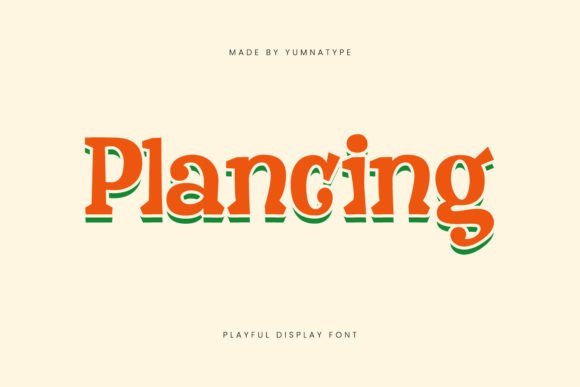
At its core, Plancing is a display font that embodies a playful style. However, calling it merely "playful" undersells its versatility. The design shapes tend to be rounded, giving it an inherently friendly and approachable feel. Yet, it is the subtle inclusion of sharp corners that adds an unexpected twist, injecting a bit of edge and uniqueness into the design. This duality makes it a powerful asset for designers, marketers, and content creators who want their work to feel human, engaging, and slightly unconventional.
The Psychology Behind Rounded Shapes and Sharp Edges
To understand why Plancing works so well in various contexts, we need to look at how viewers perceive typography. Rounded letters are psychologically associated with safety, comfort, and community. They mimic the organic curves found in nature and human handwriting, which lowers cognitive load and makes the text feel inviting. This is why many brands targeting families or children lean heavily into circular forms.
However, pure roundness can sometimes read as childish or lacking authority. This is where the specific genius of Plancing shines. By introducing sharp corners and angular terminals, the font disrupts the expectation of total softness. These sharp elements suggest precision, modernity, and a hint of rebellion. For the adult audience aged 20–50, this combination is particularly effective. It feels nostalgic without being immature, and professional without being sterile. It speaks to a demographic that values authenticity and creativity over rigid corporate standards.
Real-World Applications for Creative Projects
The true value of any typeface is revealed in its application. Plancing is not designed for long-form body text; it is a display font meant to headline, highlight, and harmonize with visual elements. Here are several scenarios where this font can elevate your project.
Branding for Lifestyle and Boutique Businesses
Consider a local coffee shop, a boutique skincare line, or an independent bookstore. These businesses rely on creating an emotional connection with their customers. A logo or packaging design using Plancing immediately signals that the brand is approachable and curated. The rounded aspects suggest the warmth of a fresh brew or the gentleness of natural ingredients, while the sharp edges imply a modern, trendy aesthetic that appeals to young professionals. It helps these brands stand out against competitors who might be using generic, safe typography.
Digital Marketing and Social Media Graphics
In the fast-scrolling environment of Instagram, TikTok, and Pinterest, you have mere seconds to capture attention. Text overlays on images need to be legible but also visually striking. Plancing excels here because its unique character shapes create a strong visual hook. Whether you are designing a quote card, a promotional banner for a flash sale, or a thumbnail for a YouTube video, the font’s whimsical nature stops the scroll. It adds personality to static images, making them feel more like part of a conversation than a corporate advertisement.
Event Invitations and Personal Stationery
For personal projects, such as wedding invitations, birthday parties, or baby showers, Plancing offers a refreshing alternative to traditional script fonts. Scripts can sometimes be difficult to read or feel overly formal. Plancing maintains readability while offering a celebratory vibe. The "edge" provided by the sharp corners prevents the design from looking too saccharine, making it suitable for modern couples or hosts who want a party atmosphere that is fun yet stylish. It works equally well for casual meetups, adding a touch of excitement to digital invites sent via email or messaging apps.
Industry-Specific Benefits
Different industries can leverage the dual nature of Plancing to communicate specific brand values.
- Tech Startups: Companies in the ed-tech or creative software space often struggle to appear innovative without seeming cold. Plancing allows them to showcase a user-friendly interface and a supportive community vibe, while the sharp angles retain a sense of technical precision.
- Food and Beverage: From artisanal bakeries to craft breweries, the food industry thrives on sensory appeal. The rounded forms of Plancing evoke the softness of dough or the foam of a beer, while the quirky details suggest unique flavor profiles and small-batch quality.
- Education and Coaching: Tutors, life coaches, and online course creators need to establish trust and approachability. Using Plancing in course headers or workbook titles makes the learning material feel less intimidating and more engaging, encouraging students to dive in.
Practical Considerations Before You Choose
While Plancing is a versatile tool, it is essential to use it strategically. Because it is a display font with distinct personality, it should not be overused. Here are some practical tips to ensure you get the most out of it.
Pairing is Key: Plancing demands a supportive partner. Since it has strong character, pair it with a neutral, highly legible sans-serif font for body text. Fonts like Inter, Roboto, or Open Sans provide a clean canvas that allows Plancing to shine in headlines without competing for attention. Avoid pairing it with other decorative or handwritten fonts, as this can create visual clutter and reduce readability.
Hierarchy and Scale: This font performs best at larger sizes. Use it for H1 and H2 headers, pull quotes, or call-to-action buttons. At small sizes, the intricate details of the sharp corners and rounded shapes may blur, losing the very characteristics that make it unique. Always test your design on multiple devices to ensure the font remains crisp and legible on mobile screens.
Color and Contrast: The playful nature of Plancing pairs beautifully with vibrant color palettes, but it also holds its own in monochrome designs. When using color, consider how the sharp edges interact with backgrounds. High contrast ensures the unique shapes are clearly defined. Pastel backgrounds can enhance the friendly vibe, while dark backgrounds with bright text can amplify the modern, edgy aspect.
Embracing Uniqueness in Design
In a world where templates and AI-generated designs are becoming increasingly common, using a font with genuine character like Plancing is a statement. It shows that thought has been put into the user experience and the emotional tone of the project. It is not just about making things look pretty; it is about communicating a specific feeling—whimsy, warmth, and a touch of surprise.
Whether you are rebranding a small business, designing a personal portfolio, or creating social media content that needs to pop, Plancing offers a reliable way to inject personality into your work. It reminds us that design does not have to choose between being friendly and being interesting. With its rounded warmth and sharp wit, it provides a balanced solution for modern creative challenges. By understanding its strengths and applying it with intention, you can transform ordinary layouts into memorable visual experiences that resonate with your audience.