Natural Ebony: A Playful Organic Display Font for Creative Designs
In the vast landscape of digital typography, finding a typeface that balances whimsy with professionalism can be a challenge. Designers often seek fonts that do more than just convey text; they want letters that tell a story, evoke emotion, and create an immediate visual connection with the audience. This is where Natural Ebony enters the conversation as a compelling option for creators looking to infuse their projects with organic charm. As a captivating display font, it brings a playful and earthy aesthetic that stands out in crowded visual environments.
Available in both regular and solid versions, Natural Ebony offers versatility within its niche. Its unique design, characterized by a quite thick weight, adds a touch of natural creativity to any project. Whether you are designing packaging for artisanal goods or creating headers for a lifestyle blog, understanding the nuances of this typeface can help you make informed design decisions.
The Aesthetic Appeal of Handcrafted Typography
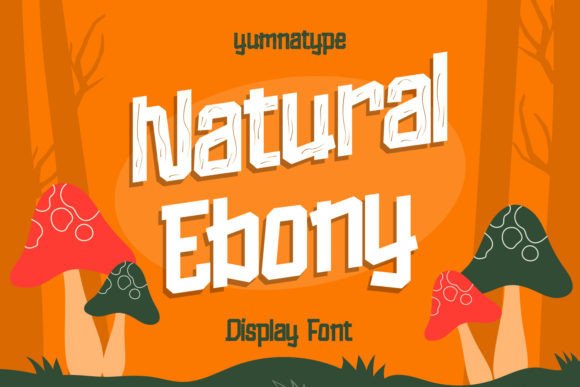
The primary allure of Natural Ebony lies in its ability to mimic handcrafted elements without sacrificing legibility. The regular version features delightful details that resemble wooden sticks, giving each letter an earthy appearance. These intricate details add depth and texture, making the font stand out with its rustic and whimsical style. This is not merely a decorative choice; it is a strategic design element that communicates authenticity.
In an era where consumers are increasingly drawn to brands that value sustainability and craftsmanship, using a font like Natural Ebony can subtly reinforce those values. The "wooden stick" motif suggests raw materials, manual labor, and a connection to nature. It moves away from the sterile precision of geometric sans-serifs and embraces the imperfect beauty of organic forms.
Regular vs. Solid: Understanding the Variations
One of the most practical aspects of acquiring Natural Ebony is the inclusion of two distinct styles: the regular version and the solid version. Understanding when to use each is key to maximizing the font's potential.
- The Regular Version: This style is defined by its textured, stick-like construction. It is best used for large headlines, logos, or short phrases where the details can be appreciated. At smaller sizes, the intricate gaps between the "sticks" might reduce readability, so it requires careful scaling.
- The Solid Version: This variant retains the same playful shape and thick weight but removes the internal texturing. It provides a cleaner, bolder look that is easier to read at slightly smaller sizes or against busy backgrounds. It serves as an excellent alternative when the rustic texture might clash with other design elements.
Having both options allows designers to maintain visual consistency across different mediums. For instance, you might use the regular version for a main banner on a website and the solid version for subheaders or call-to-action buttons.
Practical Applications and Real-World Scenarios
While Natural Ebony is undeniably stylish, its utility depends on context. It is a display font, which means it is designed to catch the eye rather than handle long blocks of text. Here are several scenarios where this typeface shines:
- Artisanal Product Packaging: For businesses selling handmade soaps, organic foods, or wooden crafts, Natural Ebony reinforces the brand identity. The font’s earthy feel complements natural materials like kraft paper, glass, and wood.
- Event Invitations: Weddings, garden parties, or rustic-themed birthdays benefit from the whimsical nature of this font. It adds a personal, handcrafted touch that formal scripts or modern minimalists fonts might lack.
- Lifestyle and Travel Blogs: Header images and quote graphics on blogs focused on outdoor adventures, camping, or sustainable living can use Natural Ebony to create an immersive atmosphere.
- Children’s Book Covers: The playful, thick shapes are approachable and fun, making them suitable for educational materials or storybooks that aim to engage young readers with a nature theme.
However, it is crucial to recognize where this font should not be used. It is not suitable for body text, legal documents, or corporate reports. Its decorative nature can cause eye fatigue if read in long paragraphs, and its informal tone may undermine the seriousness required in professional or technical communications.
Evaluating Suitability for Your Project
Before integrating Natural Ebony into your design workflow, consider the following factors to ensure it aligns with your goals:
Brand Personality Alignment
Does your brand voice lean towards playful, organic, and approachable? If your brand is high-tech, luxury, or strictly corporate, this font may create a dissonance. Natural Ebony works best for brands that want to appear friendly, grounded, and creative.
Legibility and Scale
Because of its thick weight and detailed structure, Natural Ebony requires ample white space. When using the regular version, ensure there is enough contrast between the text and the background. A busy photographic background might obscure the "wooden stick" details, rendering the text ineffective. Always test your designs on multiple devices to ensure the font remains legible on smaller screens.
Pairing with Other Typefaces
A common mistake in typography is pairing two decorative fonts. Since Natural Ebony is strong and distinctive, it should be paired with simple, neutral typefaces. Clean sans-serif fonts or classic serifs work well as supporting text. This contrast allows Natural Ebony to take center stage without overwhelming the viewer.
Technical Considerations and Best Practices
When working with display fonts like Natural Ebony, technical execution plays a significant role in the final outcome. Here are some best practices to keep in mind:
Kerning and Spacing: Due to the irregular shapes of the letters, automatic kerning may not always produce optimal results. Manually adjusting the space between specific letter pairs can improve readability and visual balance. Pay special attention to combinations involving letters with wide strokes or extended arms.
Color Choices: Earth tones such as deep greens, browns, terracotta, and muted yellows complement the organic feel of Natural Ebony. However, do not shy away from bold contrasts. A bright white version of the solid font against a dark forest green background can create a striking modern-rustic look.
File Formats: Ensure you have the correct file formats for your intended use. For web projects, WOFF or WOFF2 formats are ideal for fast loading times. For print, OTF or TTF files will provide the highest quality output. Always check the licensing agreement to confirm whether the font can be used for commercial projects, web embedding, or app integration.
Conclusion: Embracing Organic Creativity
Natural Ebony is more than just a set of letters; it is a design tool that evokes a specific mood and atmosphere. Its ability to blend playful whimsy with rustic charm makes it a valuable asset for designers working on projects that celebrate nature, craftsmanship, and creativity. By understanding its strengths, limitations, and ideal applications, you can leverage this font to create memorable and impactful designs.
Whether you choose the textured regular version for its handcrafted detail or the clean solid version for bold clarity, Natural Ebony offers a unique voice in the world of typography. As with any design element, the key is intentionality. Use it where it adds value, pair it wisely, and let its organic character enhance the story you are trying to tell. For more insights on typography trends and design resources, explore our design guide section to deepen your understanding of visual communication.