Hungry Time: Bringing Playful Energy to Your Creative Projects
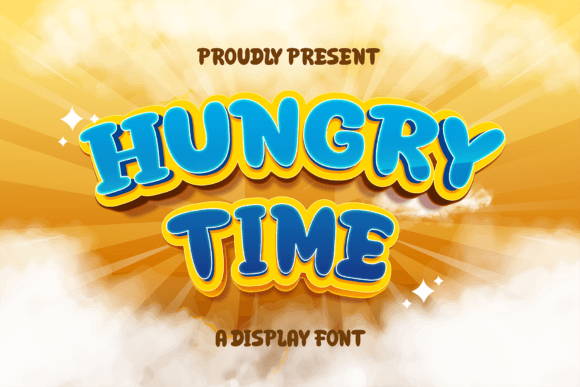
There is a specific kind of magic that happens when typography stops being just text and starts becoming an experience. In the world of graphic design, we often get caught up in the pursuit of sleek minimalism or corporate professionalism. But sometimes, the project at hand demands something entirely different. It needs warmth. It needs joy. It needs to feel like a Saturday morning cartoon or a freshly baked cookie. This is exactly where Hungry Time steps in. As a delightful bubble font, it serves as a powerful tool for designers, educators, and parents who want to inject a sense of whimsy into their work without sacrificing readability.
Understanding the nuance of a typeface like Hungry Time goes beyond simply downloading a file. It is about recognizing the emotional resonance of rounded edges and soft curves. When you choose this font, you are making a deliberate decision to lower barriers and invite engagement. Whether you are designing a classroom newsletter, packaging for a local bakery, or invitations for a child’s birthday party, the right typography sets the stage before a single word is read.
The Psychology of Rounded Typography
Why do bubble fonts work so well for certain audiences? The answer lies in visual psychology. Sharp angles and rigid structures often convey authority, seriousness, or urgency. In contrast, the soft, inflated shapes characteristic of Hungry Time trigger associations with safety, friendliness, and approachability. For adults aged 20 to 50 who are managing projects involving children or family-oriented brands, this distinction is critical.
When a parent sees a flyer for a community event written in a harsh, serif font, they might subconsciously register it as formal or restrictive. However, when that same information is presented in a playful, bubbly typeface, the barrier to entry drops. It signals that the environment will be relaxed and fun. This makes Hungry Time an invaluable asset for anyone trying to build trust and excitement simultaneously. It is not just about aesthetics; it is about communication strategy.
Real-World Applications for Educators and Parents
One of the most natural habitats for Hungry Time is the educational sector. Teachers constantly battle for attention in a world filled with digital distractions. A worksheet header that looks like it came from a standard office template is easily ignored. But when the title "Math Adventure" pops off the page in a bouncy, bubble-style font, it transforms a chore into a game.
- Classroom Decor: Use the font for bulletin board headers, name tags, and rule posters to create a welcoming atmosphere.
- Learning Materials: Apply it to flashcards, reward charts, and activity sheets to make learning feel less intimidating.
- Communication: Newsletters sent home to parents gain a personal, caring touch when the headings utilize a friendly typeface.
For parents, the utility extends to home organization and celebration. Planning a birthday party involves countless small design decisions. From cupcake toppers to welcome signs, using Hungry Time ensures consistency in your theme. It eliminates the need for expensive custom illustrations because the text itself becomes the decoration. Similarly, creating chore charts or meal planners for kids becomes more effective when the text feels inviting rather than demanding.
Elevating Small Business Branding
Beyond the home and classroom, Hungry Time has significant potential for small business owners, particularly those in the food, craft, and childcare industries. Consider a local bakery specializing in donuts or cookies. Their brand identity relies on comfort and indulgence. Using a sterile, modern sans-serif font might suggest efficiency, but it fails to convey taste. Hungry Time, with its plump and satisfying letterforms, visually mimics the product itself. It looks edible.
This principle applies to various niches:
- Childcare Services: Daycares and preschools need to reassure parents while exciting children. A logo or signage using this font strikes that perfect balance of professional care and playful energy.
- Artisan Crafts: Sellers on platforms like Etsy who create handmade toys or children’s clothing can use this font for packaging labels and thank-you notes to enhance the unboxing experience.
- Event Planning: Freelancers organizing baby showers, gender reveals, or family reunions can use the font in digital invitations and social media graphics to set a celebratory tone immediately.
The key here is alignment. The font must match the brand voice. If you are selling high-end luxury watches, Hungry Time is likely the wrong choice. But if you are selling organic fruit snacks for toddlers, it is arguably the best choice available.
Digital Content and Social Media Strategy
In the digital realm, standing out in a crowded feed is increasingly difficult. Static images with bold, playful text often perform better than plain photos because they stop the scroll. Content creators focusing on parenting hacks, kid-friendly recipes, or DIY crafts can leverage Hungry Time to create cohesive visual identities across Instagram, Pinterest, and TikTok.
When creating thumbnails for YouTube videos or cover images for blog posts, the legibility of the font is paramount. Bubble fonts can sometimes suffer from poor readability if used at small sizes or with low contrast. However, Hungry Time is designed with clarity in mind. Its open counters and distinct letter shapes ensure that even when used digitally, the message remains clear. This makes it ideal for overlaying text on busy backgrounds, such as photos of messy art projects or colorful party scenes.
Practical Considerations for Best Results
While Hungry Time is versatile, it is not a one-size-fits-all solution. To get the most out of this typeface, consider these practical guidelines before applying it to your next project.
Pairing is essential. Because Hungry Time is so expressive, it should rarely be used for long bodies of text. It excels as a display font for headlines, titles, and short captions. Pair it with a clean, simple sans-serif font for the main content. This contrast allows the playful elements to shine without overwhelming the reader. For example, use Hungry Time for the title "Summer Camp Schedule" but switch to a neutral font for the list of activities and times.
Color matters. Bubble fonts look fantastic in bright, saturated colors. Pastels can work for a softer, baby-shower vibe, but bold primaries or vibrant neons really make the "bubble" effect pop. Avoid using dark, muted tones unless you are going for a specific retro aesthetic, as they can make the font look heavy rather than light.
Spacing and hierarchy. Give the letters room to breathe. Crowding a bubble font can cause the shapes to merge, reducing legibility. Increase the line height and letter spacing slightly more than you would with standard fonts. This enhances the airy, fun feeling and ensures that each character is distinct.
Embracing the Whimsical
Ultimately, choosing Hungry Time is an act of embracing imperfection and joy. In a design landscape that often prioritizes cold precision, there is immense value in tools that remind us to play. Whether you are a teacher trying to engage a restless class, a baker wanting to highlight the sweetness of your goods, or a parent creating memories through homemade decorations, this font offers a simple yet effective way to connect with your audience on an emotional level.
By understanding where and how to apply this playful typeface, you transform ordinary text into a visual invitation. It tells your audience that what follows is not just information, but an experience worth their time. So, the next time you face a blank canvas that feels too serious, remember that a little bit of bubble font can go a long way in bringing your creative vision to life.