Embracing the Groove: How The Jacky Font Revitalizes Retro Design
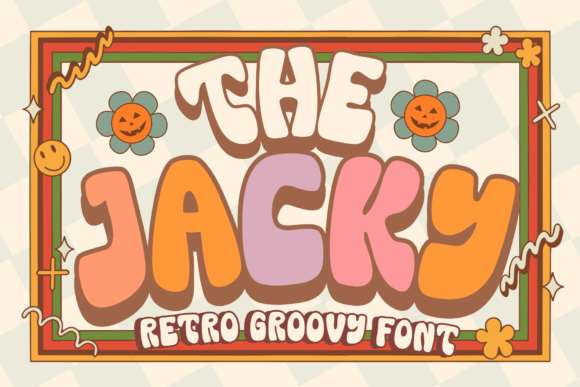
In the ever-evolving landscape of graphic design, trends tend to move in cyclical waves. What was once considered outdated often returns with a fresh perspective, resonating with new generations who crave authenticity and warmth. Currently, we are witnessing a profound resurgence of 1970s aesthetics, characterized by warm earth tones, organic shapes, and typography that feels hand-crafted rather than machine-generated. At the heart of this movement is The Jacky, a stylish retro groovy font that has quickly become a staple for designers seeking to inject personality into their work.
This typeface is not merely a collection of letters; it is a visual embodiment of playfulness and authenticity. Whether you are working on a brand identity for a boutique coffee shop or designing a personal photo album, understanding how to leverage the unique characteristics of this font can elevate your projects from standard to standout.
The Anatomy of Authenticity
What makes The Jacky so effective in capturing the hippie-inspired spirit? The answer lies in its irregularities. Unlike modern sans-serif fonts that prioritize geometric perfection and uniformity, this typeface embraces the imperfections of hand-lettering. The strokes vary in thickness, mimicking the pressure of a brush or marker, and the baseline dances slightly, creating a rhythm that feels alive.
This inherent organic quality is crucial for designs that aim to connect with audiences on an emotional level. In an era where digital interfaces are often sleek, cold, and minimalist, a font like The Jacky offers a tactile sensation. It reminds viewers of handwritten notes, vintage posters, and community bulletin boards. This sense of nostalgia is powerful because it triggers feelings of comfort and trust. When users encounter this font, they subconsciously associate the message with human effort and care, rather than automated production.
Versatility Across Creative Projects
One might assume that a font with such a distinct personality would be limited to niche applications. However, The Jacky proves to be surprisingly versatile. Its bold presence makes it ideal for headlines and short bursts of text, but its readability ensures it doesn't sacrifice function for form. Here is how it fits into various modern workflows:
- Branding and Logos: For businesses in the wellness, food, or creative industries, a logo using this font immediately communicates approachability. It suggests a brand that is friendly, local, and grounded.
- Social Media Graphics: In the crowded feed of Instagram or Pinterest, standing out is essential. Using The Jacky for quote cards or promotional announcements adds a pop of character that stops the scroll.
- Print Materials: From invitations to greeting cards, the font’s playful nature sets the tone for celebration. It works exceptionally well for birthdays, weddings with a bohemian theme, or casual meet-ups.
The key to successful implementation is balance. Because the font is so expressive, it pairs beautifully with clean, neutral sans-serifs for body text. This contrast allows The Jacky to shine as the hero element while ensuring the overall design remains legible and professional.
Integrating Retro Vibes into Modern Workflows
Adopting a retro aesthetic does not mean abandoning modern design principles. In fact, the most compelling contemporary designs often blend old-school charm with current usability standards. When incorporating The Jacky into your projects, consider the context of the user experience.
For web designers, this font is perfect for landing page headers or call-to-action buttons where you want to convey enthusiasm. However, caution is advised when using it for long-form content. The intricate details that make it charming at large sizes can become visually noisy at smaller scales. Therefore, reserve it for elements that need to grab attention, such as blog post titles, section headers, or pull quotes.
Furthermore, the color palette you choose will significantly impact how the font is perceived. While The Jacky looks fantastic in black and white, it truly comes alive when paired with the muted, earthy tones typical of the 1970s. Think mustard yellows, burnt oranges, avocado greens, and deep browns. These colors enhance the groovy vibe and create a cohesive visual narrative. Alternatively, using pastel shades can soften the look, making it suitable for baby showers or spring-themed promotions.
Practical Applications in Everyday Design
Beyond commercial branding, this font has found a home in personal creative projects. Planners and journals have seen a surge in popularity, with users seeking ways to make their organizational tools feel less like chores and more like creative outlets. Using The Jacky for monthly headers or habit trackers transforms a mundane task into a joyful ritual. The playful curves encourage a lighter, more positive mindset toward productivity.
Photo albums and scrapbooks also benefit immensely from this typeface. When documenting memories, the goal is often to evoke emotion. A caption written in a stiff, corporate font can feel detached, whereas The Jacky adds a layer of warmth and intimacy. It complements candid shots and polaroid-style images, reinforcing the idea that these are cherished, personal moments.
- Start with Hierarchy: Decide what information is most important. Use The Jacky for the primary message to draw the eye immediately.
- Mind the Spacing: Retro fonts often require adjusted kerning. Ensure letters are not too cramped, allowing each character’s unique shape to breathe.
- Test Readability: Always view your design at different sizes. If the details blur together, simplify the background or increase the font size.
- Experiment with Effects: Subtle shadows or outlines can enhance the retro feel, but avoid overdoing it. Let the font’s natural character do the heavy lifting.
Why Authenticity Matters in Digital Communication
We live in a time where consumers are increasingly skeptical of polished, corporate messaging. There is a growing demand for transparency and humanity in brand communication. Fonts play a subtle but significant role in this dynamic. By choosing a typeface like The Jacky, you are signaling that your project values individuality over conformity.
This is particularly relevant for small businesses and independent creators who compete against larger corporations. Your unique voice is your competitive advantage. A groovy, authentic font helps articulate that voice visually. It tells your audience that you are real, accessible, and passionate about what you do. Whether it is an ad for a local artisan market or a newsletter for a community garden, the right typography builds a bridge between the creator and the consumer.
Moreover, the psychological impact of playful design should not be underestimated. Studies have shown that aesthetically pleasing and whimsical elements can improve mood and reduce stress. In educational materials or health-related communications, using a friendly font like The Jacky can make difficult information feel more approachable and less intimidating. It lowers the barrier to entry for engagement, encouraging people to read, share, and interact.
Final Thoughts on Stylistic Choice
Choosing a font is one of the most critical decisions in any design project. It sets the tone before a single word is read. The Jacky offers a compelling option for those looking to break away from the sterile minimalism that has dominated tech and corporate design for the past decade. It invites warmth, nostalgia, and joy into the visual space.
Whether you are designing a logo, crafting an invitation, or laying out a blog post, consider the emotional response you wish to evoke. If your goal is to create a connection based on shared humanity and playful energy, this retro groovy font is an excellent tool. Add it to your toolkit, experiment with its possibilities, and enjoy the results. The beauty of design lies in its ability to communicate not just information, but feeling. With The Jacky, you are not just writing words; you are sharing a vibe.
As you explore its potential, remember that the best designs are those that feel effortless. Let the curves and quirks of the letters guide your layout. Allow the whitespace to frame the text. And above all, have fun with the process. After all, the spirit of the era this font represents was all about freedom, expression, and enjoying the ride. Let your designs reflect that same liberating energy.