Blending Playfulness and Precision: The Strategic Value of Candied Lemon in Modern Design
In the evolving landscape of digital branding and visual communication, typography has transcended its traditional role as a mere vessel for text. It has become a primary driver of emotional connection, brand identity, and user engagement. Amidst this shift, designers and marketers are increasingly seeking typefaces that bridge the gap between professional polish and human authenticity. Enter Candied Lemon, a delightful display font that adds a unique twist to your designs. This typeface is not merely a stylistic choice; it represents a broader movement toward hybrid design systems that prioritize both structure and spontaneity.
The Dual Nature of Visual Communication
The modern consumer is sophisticated. They can instantly distinguish between sterile, corporate aesthetics and genuine, human-centric messaging. However, pure informality can sometimes lack the authority required for business contexts, while rigid formalism can feel cold and inaccessible. Candied Lemon addresses this dichotomy through its innovative structural design. By combining two distinct typographic styles within a single family, it offers a versatile tool for creators who need to communicate warmth without sacrificing clarity.
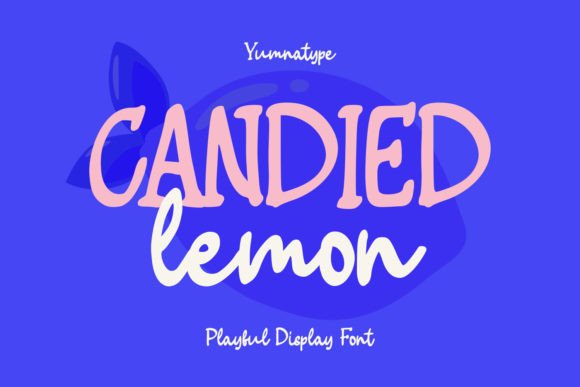
The uppercase letters in Candied Lemon are designed with a slightly rounded shape, giving them a playful appearance. This rounding softens the visual impact, making headlines and titles feel approachable rather than imposing. Each letter is meticulously crafted to maintain a consistent style, adding a sense of cohesion to your text while retaining its playful charm. This consistency is crucial for brand recognition, ensuring that whether the font is used on a mobile app interface or a large-format print advertisement, the core identity remains intact.
Bridging the Gap Between Script and Sans-Serif
While the uppercase characters provide structure, the lowercase elements introduce fluidity. In contrast, the lowercase letters of Candied Lemon are designed to resemble handwritten script, adding a touch of authenticity and warmth to your text. This juxtaposition is where the font’s true power lies. It mimics the natural rhythm of human speech and handwriting, where emphasis and flow vary dynamically. Each letter flows seamlessly into the next, creating a natural and organic feel that is both inviting and engaging.
This hybrid approach reflects a significant trend in contemporary design: the desire for "perfect imperfection." Audiences are drawn to visuals that feel crafted by hand, even when they are digitally produced. The script-like lowercase letters evoke the personal touch of a handwritten note, fostering a sense of intimacy between the brand and the consumer. Meanwhile, the structured uppercase letters ensure that the message remains legible and professional, preventing the design from appearing chaotic or unpolished.
Aligning with Current Market Trends
The rising popularity of fonts like Candied Lemon is not an isolated phenomenon. It aligns with several macro-trends shaping the creative and business sectors today. First, there is the ongoing shift towards human-centric marketing. Brands are moving away from faceless corporate personas to adopt voices that are relatable, empathetic, and authentic. Typography plays a pivotal role in this transition. A font that balances playfulness with professionalism allows businesses to project a friendly yet competent image.
Secondly, the saturation of digital content has led to "banner blindness," where users unconsciously ignore standard, generic advertising visuals. To cut through the noise, creators need distinctive visual hooks. The unique twist offered by Candied Lemon serves as such a hook. Its combination of rounded geometric forms and organic script creates a visual texture that stands out in crowded social media feeds, email newsletters, and website headers.
Furthermore, the gig economy and the rise of solo entrepreneurs have democratized design. Freelancers and small business owners often act as their own creative directors. They require tools that are easy to use but yield high-quality results. Candied Lemon fits this need perfectly. Its inherent cohesion means that users do not need advanced typographic skills to create visually harmonious layouts. The font does much of the heavy lifting, ensuring that the interplay between uppercase and lowercase letters looks intentional and balanced.
Practical Applications for Creators and Entrepreneurs
Understanding the theoretical appeal of Candied Lemon is one thing; applying it effectively is another. For professionals looking to integrate this typeface into their workflows, context is key. Here are several scenarios where this font excels:
- Lifestyle and Wellness Brands: Companies in the health, beauty, and wellness sectors often struggle to balance scientific credibility with holistic warmth. Using Candied Lemon for headlines can convey care and approachability, while the structured uppercase letters maintain a sense of trustworthiness.
- Creative Portfolios: Designers, photographers, and artists can use this font to showcase their personality. The handwritten lowercase elements suggest creativity and individuality, while the rounded uppercase letters keep the presentation clean and organized.
- Food and Beverage Packaging: As the name suggests, the font has a sweet, inviting quality. It is particularly effective for artisanal food products, cafes, and bakeries that want to emphasize handmade quality and fresh ingredients.
- Educational Materials for Children: The playful nature of the rounded uppercase letters makes it suitable for educational apps and books, while the script-like lowercase can help introduce children to the concept of cursive writing in a modern context.
Enhancing User Experience Through Typography
Beyond aesthetics, typography impacts usability. The readability of Candied Lemon is enhanced by its clear distinction between character types. The rounded uppercase letters are easily recognizable at a glance, making them ideal for short bursts of information such as call-to-action buttons or section headers. The flowing lowercase letters, while decorative, maintain enough structure to be legible in body text when used sparingly or at larger sizes.
For web designers, this font offers an opportunity to break the monotony of standard web-safe fonts. By using Candied Lemon for key interactive elements, designers can guide the user’s eye and create a more engaging browsing experience. The organic feel of the script elements can soften the rigid grid structures typical of web layouts, creating a more dynamic and less mechanical interface.
The Future of Expressive Typography
As technology advances, the boundaries between different typographic styles continue to blur. Variable fonts and dynamic typography allow for greater flexibility, but the fundamental need for emotional resonance remains constant. Candied Lemon exemplifies the future of type design: fonts that are not just static shapes but expressive tools capable of conveying complex emotional nuances.
Professionals who embrace this versatility will find themselves better equipped to meet the changing expectations of their audiences. Consumers are no longer satisfied with one-dimensional branding. They seek experiences that are multifaceted, authentic, and engaging. By incorporating a font that embodies these qualities, creators can build deeper connections with their users.
Moreover, the use of such distinctive typography supports brand differentiation. In a market where many competitors may rely on similar minimalist or brutalist design trends, adopting a font with unique character traits like Candied Lemon can be a strategic advantage. It signals that the brand is attentive to detail, values creativity, and is not afraid to show personality.
Conclusion: Embracing Authenticity in Design
The choice of typography is a reflection of a brand’s values and voice. Candied Lemon offers a compelling solution for those seeking to harmonize professionalism with playfulness. Its carefully crafted uppercase letters provide the necessary structure and cohesion, while the handwritten-style lowercase letters inject warmth and authenticity. This balance is not just aesthetically pleasing; it is strategically sound in a market that values human connection.
For marketers, entrepreneurs, and designers, integrating Candied Lemon into their visual toolkit is more than a stylistic update. It is a commitment to creating content that resonates on a human level. As we move forward in an increasingly digital world, the ability to convey genuine warmth through design will remain a critical skill. Fonts like Candied Lemon are not just trends; they are essential instruments in the ongoing effort to make digital interactions feel more human, more inviting, and more meaningful.
By understanding the deeper implications of such design choices, professionals can elevate their work from simple communication to impactful storytelling. Whether used in a logo, a website header, or a product package, this font serves as a reminder that even in the most structured environments, there is always room for a touch of playful authenticity.