Badut Gabut: The Bold Display Font for Eye-Catching Headlines
In the crowded digital landscape, capturing attention is no longer just a marketing goal; it is a necessity. Whether you are designing a poster for a local event, creating a thumbnail for a video, or branding a new product, the typography you choose speaks volumes before a single word is read. Enter Badut Gabut, a bold display font that has quickly gained traction among designers and content creators who need their work to stand out. This typeface is not designed for subtlety. It is fun, eye-catching, and unapologetically loud, featuring strong, thick letters that demand to be seen.
Understanding when and how to use a font like Badut Gabut can transform your visual communication. This article explores the characteristics of this unique typeface, its practical applications, and why it might be the missing piece in your creative toolkit.
The Anatomy of Boldness: What Makes Badut Gabut Unique?
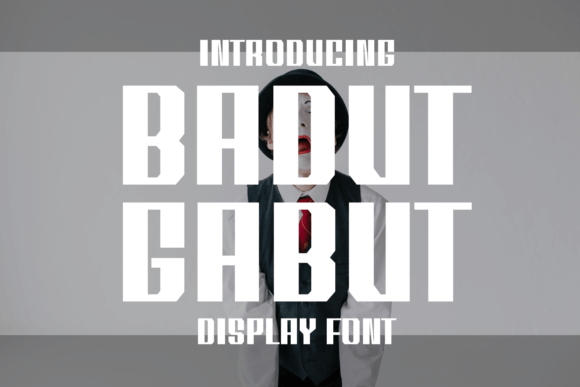
At its core, Badut Gabut is a display font. In typography, "display" refers to fonts intended for use at large sizes, such as headlines, titles, and posters, rather than body text. The name itself hints at its personality—playful, slightly chaotic, and energetic. But beyond the vibe, there are specific structural elements that make it effective.
The most defining characteristic of Badut Gabut is its weight. The letters are thick and substantial, providing a high level of contrast against backgrounds. This heaviness ensures legibility even from a distance, which is crucial for physical signage or digital banners viewed on small mobile screens. Unlike serif fonts that rely on delicate strokes, Badut Gabut strips away unnecessary flourishes, focusing on raw impact.
Furthermore, the font possesses a distinct "hand-drawn" or organic feel, despite its digital precision. It avoids the rigid uniformity of standard sans-serif fonts like Helvetica or Arial. Instead, it offers a sense of movement and human touch. This makes it particularly appealing for brands that want to appear approachable, youthful, and authentic rather than corporate and sterile.
Key Visual Characteristics
- High Weight: Thick strokes ensure maximum visibility and impact.
- Playful Geometry: The letterforms are rounded and friendly, reducing visual aggression while maintaining boldness.
- Distinctive Personality: It conveys energy and fun, making it unsuitable for serious legal documents but perfect for entertainment.
- Versatile Contrast: Works well against both light and dark backgrounds due to its solid structure.
Practical Applications: Where Does Badut Gabut Shine?
Because Badut Gabut is a display font, its utility is specialized. It is not a "one-size-fits-all" solution for every design project. However, within its niche, it excels. Here are several real-world scenarios where this font adds significant value.
1. Event Posters and Flyers
Imagine you are promoting a music festival, a comedy night, or a street food fair. Your goal is to generate excitement. A thin, elegant font might suggest sophistication, but it won’t convey the energy of the event. Using Badut Gabut for the main headline instantly signals that the event will be lively and fun. The thick letters allow you to layer effects, such as shadows or outlines, without losing readability.
2. Social Media Graphics
On platforms like Instagram and TikTok, users scroll rapidly. You have milliseconds to stop the thumb. Text overlays on videos or static images need to be punchy. Badut Gabut’s bold nature makes it ideal for short, impactful phrases like "Sale Ends Today," "New Drop," or "Watch Now." Its playful aesthetic aligns well with the casual, engaging tone of social media content.
3. Youth-Oriented Branding
Brands targeting Gen Z or younger millennials often seek to break away from traditional corporate aesthetics. A gaming startup, a snack brand, or a fashion label aimed at teenagers can use Badut Gabut to establish a brand voice that is relatable and energetic. It suggests that the brand doesn’t take itself too seriously and is in tune with current cultural trends.
4. YouTube Thumbnails and Stream Overlays
Content creators know that the thumbnail is the most critical element of click-through rates. Text in thumbnails must be readable at a very small size. The strong, thick letters of Badut Gabut ensure that even when shrunk down to a mobile screen, the message remains clear. It pairs excellently with bright colors and expressive imagery.
Strategic Pairing: How to Use Badut Gabut Effectively
While Badut Gabut is powerful, it can be overwhelming if used incorrectly. The key to professional design is balance. Since this font is so dominant, it should rarely be used for long paragraphs of text. Reading a full page of thick, bold letters causes eye fatigue and reduces comprehension.
Instead, treat Badut Gabut as the star of the show, supported by a more subdued co-star. For body text, pair it with a clean, neutral sans-serif font like Open Sans, Roboto, or Lato. These fonts provide clarity and ease of reading, allowing the headline in Badut Gabut to pop without competing for attention.
- Limit Usage: Use Badut Gabut only for headlines, subheaders, or short call-to-action buttons.
- Check Spacing: Due to its thick strokes, ensure adequate kerning (space between letters) so characters do not merge into each other.
- Color Contrast: Ensure high contrast between the font color and the background. White text on a dark background or black text on a bright yellow background works best.
- Avoid All Caps for Long Phrases: While all-caps can look powerful, it can also be hard to read. Use sentence case or title case for better flow unless the stylistic choice is intentional for a short word.
Evaluating Suitability: Is Badut Gabut Right for Your Project?
Before downloading or purchasing any font, it is essential to evaluate whether it aligns with your project’s goals. Ask yourself the following questions:
What is the emotional tone? If your project requires trust, stability, and seriousness (such as a law firm or a bank), Badut Gabut is likely inappropriate. Its playful nature may undermine the perceived professionalism. However, if the tone is energetic, creative, or humorous, it is an excellent fit.
Who is the audience? Younger audiences generally respond better to dynamic, unconventional typography. Older demographics or conservative industries may prefer traditional serif fonts. Understanding your viewer’s expectations is crucial.
Where will it be displayed? As mentioned, this font thrives in large formats. If you are designing a dense report or a book interior, look elsewhere. But for billboards, web headers, and packaging, it delivers the necessary punch.
Limitations and Considerations
No tool is perfect, and Badut Gabut has its limitations. Being a display font, it lacks the extensive character sets often found in comprehensive font families. You may find limited support for special characters or multiple languages. Always check the glyph map before committing to a global campaign.
Additionally, because it is trendy, it risks becoming dated if overused. Design trends move quickly. To mitigate this, use Badut Gabut as part of a broader design system that includes timeless elements like layout structure and color theory. This ensures your design remains effective even if the font’s popularity wanes.
Another consideration is accessibility. While bold fonts are generally good for visibility, extremely thick letters can sometimes cause "halation" or blurring on lower-resolution screens. Always test your designs on multiple devices to ensure clarity.
Conclusion: Embracing Bold Creativity
Badut Gabut represents more than just a set of letterforms; it represents a shift towards bolder, more expressive digital communication. In a world where information overload is the norm, having a tool that cuts through the noise is invaluable. By understanding its strengths—its thickness, its playfulness, and its impact—you can leverage Badut Gabut to create designs that are not only seen but remembered.
Whether you are a seasoned graphic designer or a small business owner managing your own social media, experimenting with bold display fonts can refresh your visual identity. Remember, the goal is not just to be loud, but to be clear and engaging. When used with intention and paired with thoughtful design principles, Badut Gabut can elevate your projects from ordinary to extraordinary.
As you continue to explore typography, keep experimenting. Try mixing Badut Gabut with different colors, textures, and layouts. The best way to master a font is to use it creatively, pushing its boundaries while respecting its purpose. In doing so, you will discover new ways to connect with your audience and make your mark in the visual world.